
Why Steam's Game Names Have Become Forgettably Generic
As Steam's library explodes, developers increasingly copy naming trends from other games, creating a sea of interchangeable titles. Marketing experts explain why this matters and how better names can help games stand out.

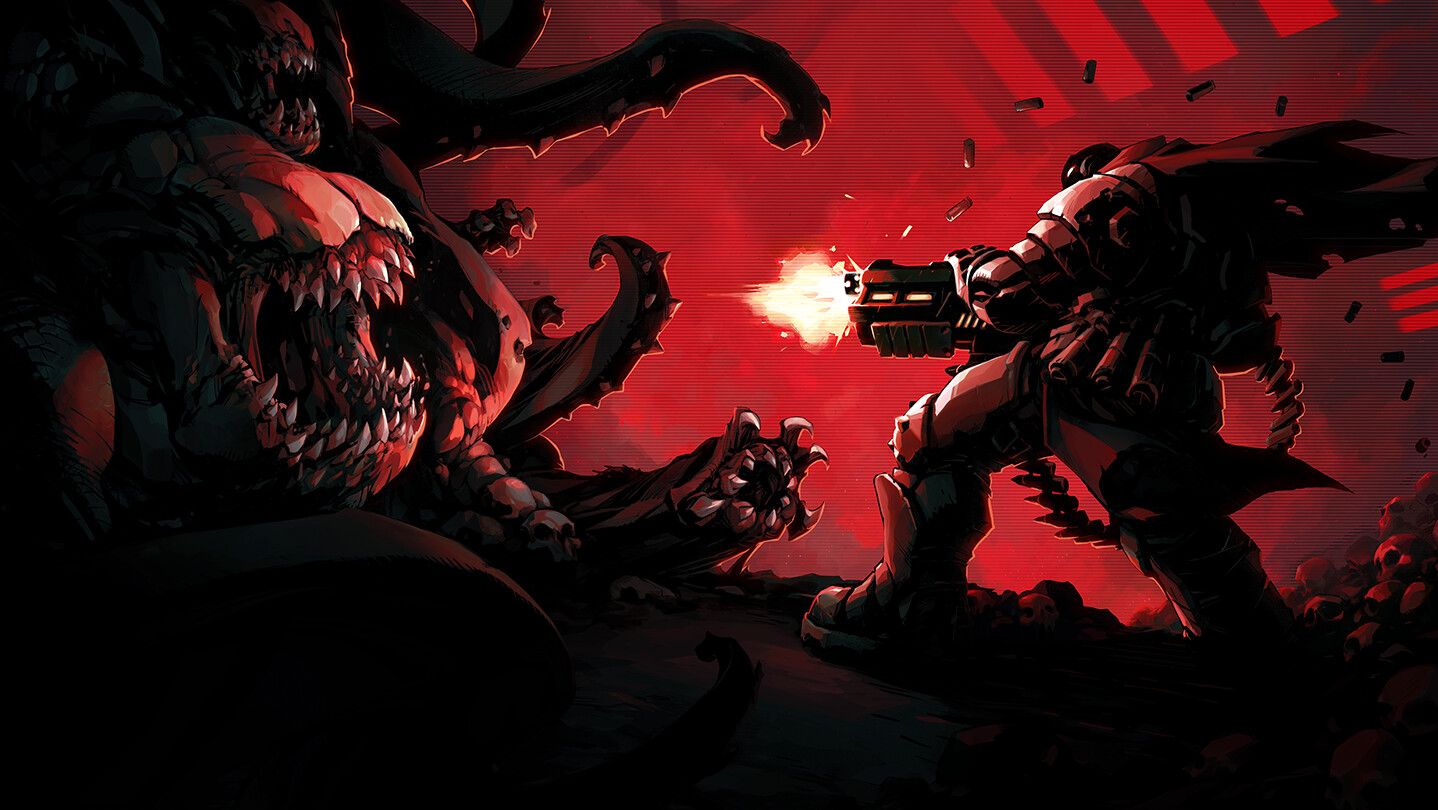
Steam now hosts thousands upon thousands of games, and many share strikingly similar names that blur together in players' minds. Titles like Duskfade, DUST: Origins, Dust Front RTS, Duskbloods, and Dungeons of Dusk all released within a 12-month window, each vying for attention in an increasingly crowded marketplace.
The problem runs deeper than simple coincidence. Hannah Flynn, communications director at Failbetter Games and a games marketing consultant with previous experience at brands like Penguin Books and Tate in the UK, identified a key culprit: developers copying naming conventions from successful games rather than creating original titles that reflect their game's unique identity.
"Put aside what you think a game name should sound like," Flynn writes. "There are thousands upon thousands of games on Steam now. Not all of them are named well, and there are weird trends which actually make your name less effective."
Flynn's research revealed specific naming clichés drowning Steam's store. "Fall of" appears in 11,527 Steam games. "Echoes of" shows up 2,750 times. "Shadow of" reaches 8,243 results. These filler words create what Flynn calls a "flavourless mush that struggles to stay in the memory." The word "origins" particularly frustrates her, as it appears frequently despite offering no meaningful connection to most games using it.
The core issue stems from industry insularity. When developers look exclusively to other games for naming inspiration, "the possibility space spirals in on itself, and suddenly everything's called Rise of the Bonelord: Origins of Dust," Flynn explains. She advocates instead for drawing inspiration from history, art, science, performance, nature, comics, and countless other sources outside gaming.
Successful games demonstrate that memorable names don't follow a formula. Hades captures mythology and darkness. Sunless Skies evokes atmosphere through poetry. Dave the Diver uses simplicity and curiosity. These titles reflect each game's spirit without chasing trends.
Simon Carless, founder of GameDiscoverCo, offers a slightly different perspective. He argues that naming matters less than many assume, since most game purchases depend on video footage, word-of-mouth, or direct recommendations rather than title alone. He notes that music provides instructive examples: Steely Dan and Bananarama succeeded despite unconventional names.
However, Carless emphasizes practical constraints: developers should avoid overly long or convoluted names that invite confusion with existing games. The famous clash between The Outer Wilds and The Outer Worlds demonstrates how similar titles can cause genuine discoverability problems.
On Steam's densely populated platform, a game's name and capsule art represent nearly the entire first impression. "To catch people's interest you only really have the name of your game and the capsule art," Flynn says. "It's really an artform to create both and make them work well together in a way that stands out."
What makes a name effective? Flynn describes it as "a jigsaw piece slotting into place, not that you've completed a 50-step escape room." She cites a workbook called Don't Call it That as foundational to her thinking. Big Walk works because it describes exactly what happens in the game. Ball x Pit succeeds through clarity. Mouthwashing intrigues through mystery.
Some names gain strength through success rather than inherent memorability. Balatro, which means "jester" in Latin, seemed obscure until LocalThunk's deck-building roguelike became a phenomenon. Flynn notes Balatro actually meets multiple naming criteria: it connects to joker mythology relevant to the game's alternate-reality jokers, draws from an established tradition of single-word puzzle game names like Ludo and Boggle, and remains jolly and easy to spell despite its obscure etymology.
Flynn remains optimistic that naming conventions will improve as developers recognize the cost of blending into the crowd. The goal should always be helping players remember, recognize, and want to play your game. Generic names accomplish none of those aims.
Sources
- PC GamerEstablished publication · recorded Sep 30, 2026Why so many Steam games have weirdly similar (and forgettable) names