
Sony Brings AI Upscaling to Standard PS5 With QSSR Technology
Sony has revealed QSSR (Quick Spectral Super Resolution), bringing machine learning-based upscaling to the base PlayStation 5. The technology, a refined version of PS5 Pro's PSSR, is now available in Marvel's Wolverine and Ghost of Yōtei, potentially

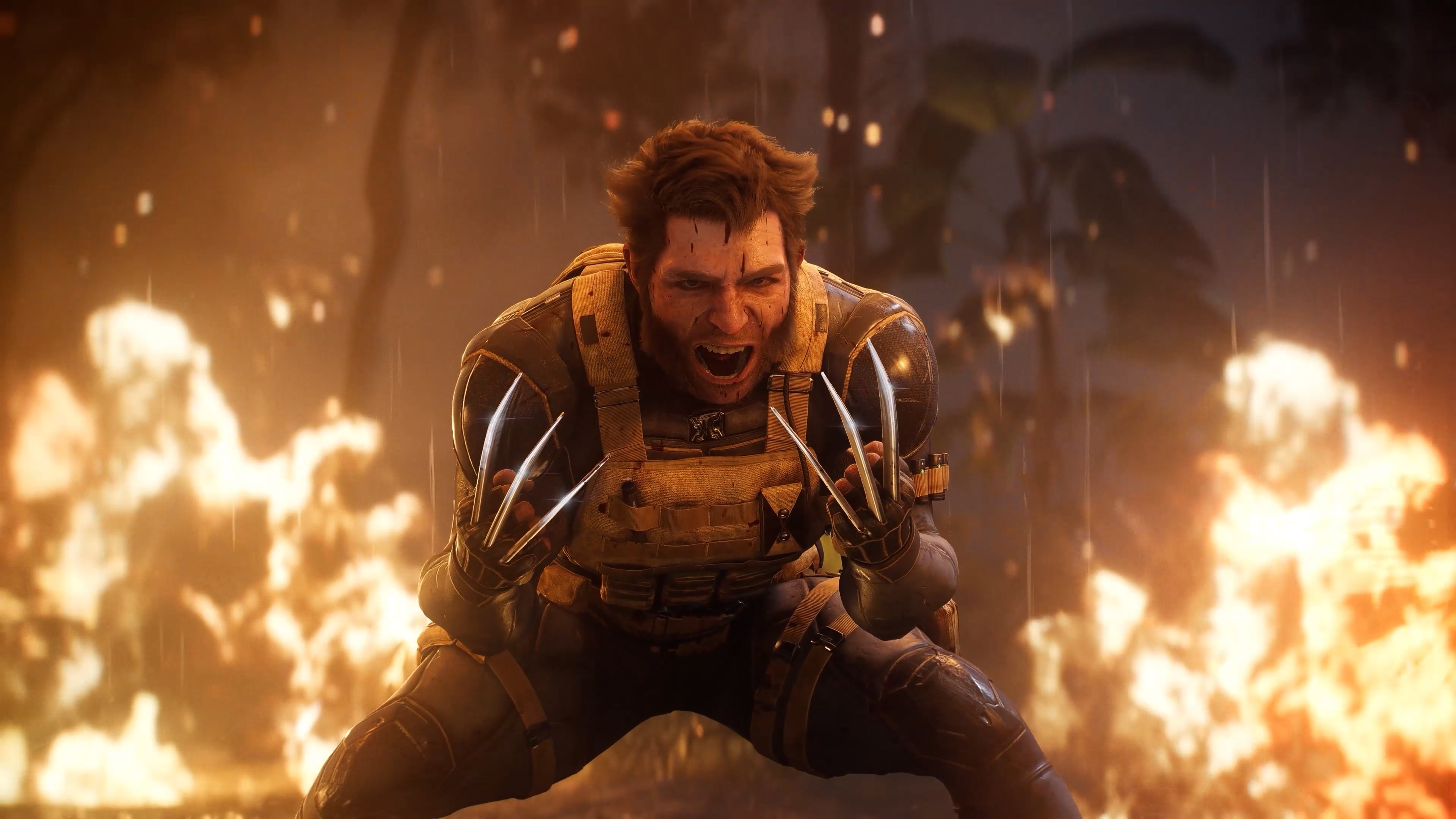
Sony has announced QSSR - Quick Spectral Super Resolution - extending AI-powered upscaling to the standard PlayStation 5. Previously exclusive to PS5 Pro, QSSR represents a significant technical achievement, allowing machine learning-based image enhancement on hardware without dedicated AI acceleration.
The technology debuts in two games: Marvel's Wolverine and Ghost of Yōtei. Marvel's Wolverine received QSSR as default in patch v1.002. Unlike PS5 Pro's PSSR, which relies on 300 TOPS of dedicated hardware and INT8 math instructions, QSSR uses a streamlined neural network architecture and primarily FP16 math, leveraging packed math instructions and other hardware features to maximize efficiency.
Daniel Craig, Principal Engineer for Graphics R&D at SIE, explained the engineering approach: "It's great to be improving the PS5 this far into the generation, enabling developers to make even better-looking games. The reality is that the PS5 Pro has 300 TOPS of dedicated hardware for this purpose and is free to pick a much more generous spot on that cost-versus-quality curve."
Hands-on testing revealed substantial improvements in temporal stability, detail retention, and artifact reduction compared to existing upscaling solutions. In Marvel's Wolverine, the quality boost proved exceptional, with noticeably improved line completion and sub-pixel detail integrity. Ghost of Yōtei, which already featured decent image quality, showed less dramatic improvements, suggesting QSSR delivers the most benefit to games with more aggressive upscaling compromises.
Performance varies by target resolution. Upscaling a 864p base to 1440p in Marvel's Wolverine's performance mode incurred approximately 1.5ms to 1.8ms frame-time cost - roughly 8-10fps difference. However, dynamic resolution scaling mitigates this impact in 60fps modes by adjusting internal resolution accordingly. Targeting 4K proved more demanding at around 4.4ms, making 1440p the natural optimization target for QSSR on standard PS5.
In Ghost of Yōtei's performance mode, QSSR ran nearly identically to FSR 3, suggesting the technology can match existing software upscalers in some scenarios while delivering superior image quality characteristics.
Craig noted that QSSR represents a drop-in replacement for games supporting PSSR on Pro. "That said, tuning game settings takes a bit more time, perhaps a few days. For example, teams may need to adjust streaming settings to ensure higher quality mips are resident." Integration for future titles should be straightforward, and retrofitting existing games remains relatively low-risk.
Insomniac Games head of technology Mike Fitzgerald stated: "QSSR adds more pixel-level clarity and stability to our environments, bringing out extra detail amidst the busy streets of Madripoor, the dense alleyways of Shinjuku, and many other areas across Logan's epic journey. It's a perfect companion to the launch of Marvel's Wolverine, and it brings a great taste of the PS5 Pro experience to our players on PS5."
Sucker Punch Productions' lead rendering engineer Jasmin Patry added: "At Sucker Punch, we're excited to bring QSSR to Ghost of Yōtei players so that they can experience the world we've created with even more clarity and detail. QSSR excels at resolving the fine details in our characters and environments and does so with a level of temporal stability that hasn't been possible on the PS5 console until now. We've long wished that all PS5 players could experience the incredible image quality that PSSR brings to PS5 Pro, and QSSR is a positive step towards that goal!"
QSSR addresses a persistent generation issue: many PS5 titles have pushed upscalers aggressively, often upscaling from native 720p to 1440p or 4K. Craig emphasized that while compromises were necessary, Sony avoided aggressive trade-offs: "Game development is always about trade-offs, but we didn't have to compromise as aggressively as you might think. We keep a close eye on the cost-versus-quality curve of the model architecture, and the 'hard choice' was just deciding where to land for base hardware. We think we picked a spot that developers can afford while still providing an upgrade over standard TAA."
QSSR will be freely available for PlayStation developers. Any game supporting PSSR can add QSSR support with minimal effort, making widespread adoption likely. Future releases, including potential Grand Theft Auto 6 integration, represent possibilities for studios authoring titles with both upscalers in mind from the outset.
Sources
- Digital FoundryEstablished publication · recorded Oct 2, 2026Hands-On With QSSR: AI-Driven Upscaling for the Standard PS5
- Digital FoundryEstablished publication · recorded Oct 2, 2026Sony announces QSSR AI upscaling tech for base PS5 in Marvel's Wolverine and Ghost of Yōtei
- Insider GamingEstablished publication · recorded Oct 2, 2026PS5 Gets AI Upscaling Through QSSR
- Push SquareEstablished publication · recorded Oct 2, 2026Wolverine Adds Sony's New QSSR Tech as Default on Base PS5 in Latest Patch
- Video Games ChronicleEstablished publication · recorded Oct 2, 2026‘Remarkable’: Sony reveals new PS5 upscaler tech, QSSR
- Pure XboxEstablished publication · recorded Oct 2, 2026PS5's New QSSR AI Upscaling Tech Should Make For Some Interesting Xbox Comparisons
- Gamereactor UKSecondary publication · recorded Oct 2, 2026Standard PS5 Gets Sony’s New QSSR Upscaling Option