
Industry Analysis Examines AAA Budget Inflation, Focus Groups, and Divided Player Attention
A recent industry analysis explores how soaring development budgets, heavy reliance on focus groups, and smartphone-driven distractions are shaping modern AAA game design.

The contemporary video game industry faces significant structural challenges stemming from soaring development budgets. As production costs frequently climb into the hundreds of millions of dollars, attitudes toward financial risk have shifted dramatically. Publishers often seek the safety of established intellectual properties while taking extreme gambles on massive financial rewards. This financial pressure heavily influences the development process of modern video games.
While massive budgets often fund expansive, high-fidelity game worlds, a significant portion of those funds goes toward repeated reworks, edits, and asset cuts. Iteration is a normal part of creative workflows, but immense financial stakes often introduce numerous stakeholders into the decision-making pipeline. Boardrooms frequently demand data-driven approaches derived from market research signals and focus groups to manage financial risks.
However, industry observers note that market research and focus groups possess deep limitations. Focus groups often feature participants whose attention wanders or who lack proper representation of the target audience. When executives rely heavily on feedback from random focus group participants rather than experienced developers, projects can become smoothed down into undifferentiated products, losing their original creative vision.
Another major pressure facing modern developers involves declining player attention spans in the era of smartphones. Industry trends suggest that televisions and monitors frequently function as secondary screens while players divide their attention with mobile devices. Some entertainment media have begun adapting to this shift by repeating key plot points and lowering demands on audience engagement.
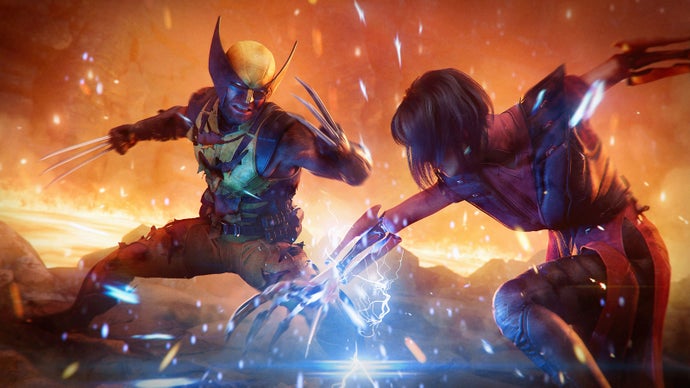
In the gaming space, this surrender to divided attention manifests as endless hand-holding, characters who constantly narrate their actions, and automated gameplay elements designed to prevent player frustration. Critics point to titles like Marvel's Wolverine as examples of a broader industry trend where games cater to distracted players rather than demanding their full engagement.
Sources
- GamesIndustry.bizEstablished publication · recorded Sep 18, 2026Pulling focus: Must AAA pander to the distracted? | Opinion