
Where Dolls Hang Inspired by Mexican Island Horror Location, Solo Developer Reveals
Steelkrill Studios founder Ryan Poretlli discusses the psychological horror game's year-long development, creative inspiration from La Isla de las Muñecas, and the atmospheric design that sets it apart from typical horror settings.

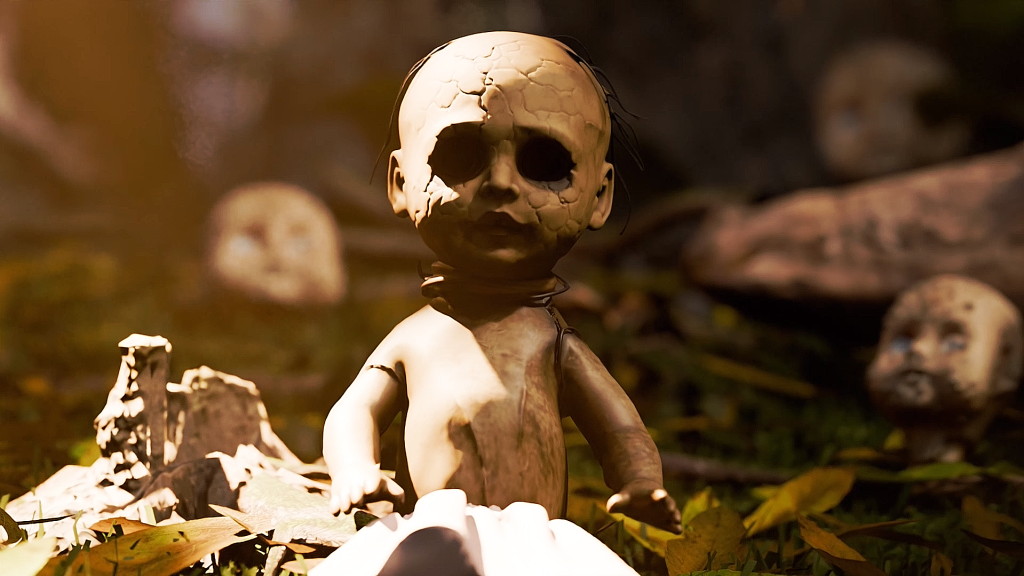
Where Dolls Hang, a survival psychological horror game from solo developer Ryan Poretlli at Steelkrill Studios, draws its core inspiration from La Isla de las Muñecas (Island of the Dolls), a real location in Mexico filled with thousands of hanging dolls. Poretlli spoke with Insider Gaming as part of the 28 Games Later: A Horror Showcase about the game's development and creative direction.
The game has been in development for almost a year, starting around November of the previous year. Poretlli explained that the project has grown significantly beyond his initial concept. "I'm developing the game completely solo, and this is by far the biggest project I've worked on so far," he said.
Poretlli was struck by how little the real Island of the Dolls location had been explored in games and films despite its creepy appeal and dark history. "When I first discovered it, I immediately thought it could make a really interesting setting for a horror game," he noted. However, the final game is not a recreation of the actual location but rather its own world and story inspired by it.
The developer cited several major influences on the game's design. "Games like The Forest, Resident Evil, Silent Hill, and Outlast have also been big inspirations, especially when it comes to the atmosphere, psychological horror, exploration, and that feeling of making the player feel vulnerable and never completely safe," Poretlli explained.
A key creative breakthrough came when Poretlli began building environments and populating them with dolls and mannequins. The game was originally planned for an American suburban setting inspired by the Island of the Dolls, but during development Poretlli noticed that Mexican and Latin American settings and folklore were underrepresented in horror games. "I started experimenting with a Mexican setting, architecture, environments, and atmosphere, and that's when everything kind of clicked for me. It gave the game much more of its own identity," he said.
Managing solo development across multiple disciplines has presented challenges. "Since I'm developing the game completely solo, I would probably say the biggest obstacle is simply the amount of work involved and trying to juggle everything at once," Poretlli noted. "I'm constantly switching between actually developing the game, fixing things, working on environments, optimizing it, creating trailers, marketing it, talking to people, and everything else that comes with creating any game."
Poretlli highlighted atmospheric design and the game's film and VHS features as elements he is most proud of. Throughout the game, players can find real films on VHS tapes to watch in-game, some containing story clues and others included for atmosphere. "You could sit there watching the full movie of Night of the Living Dead while also hearing footsteps walking around outside the room, which I think can be pretty haunting," he said. Some original footage was filmed by Poretlli himself, while other content was created by an animator.
In the game, players explore forests, abandoned houses, caves, and coastal areas equipped with a camera. Resources are limited and something is stalking the player, requiring stealth and hiding rather than combat in certain situations. "If you like atmospheric horror games like Silent Hill and Outlast, mysteries that slowly reveal themselves, and you're absolutely terrified of creepy dolls and a sucker for Mexican Folklore, then I think you're going to have a pretty good time with this one," Poretlli said.
Sources
- Insider GamingEstablished publication · recorded Oct 2, 2026Where Dolls Hang—Exclusive Interview