
Valheim Review: A Survival Game That Feels Like Living
Valheim's 1.0 launch brings focused progression and intentional base-building that sets it apart in the survival genre. The new Deep North biome adds challenge and materials, but the real strength lies in how the game makes you want to craft, build, and

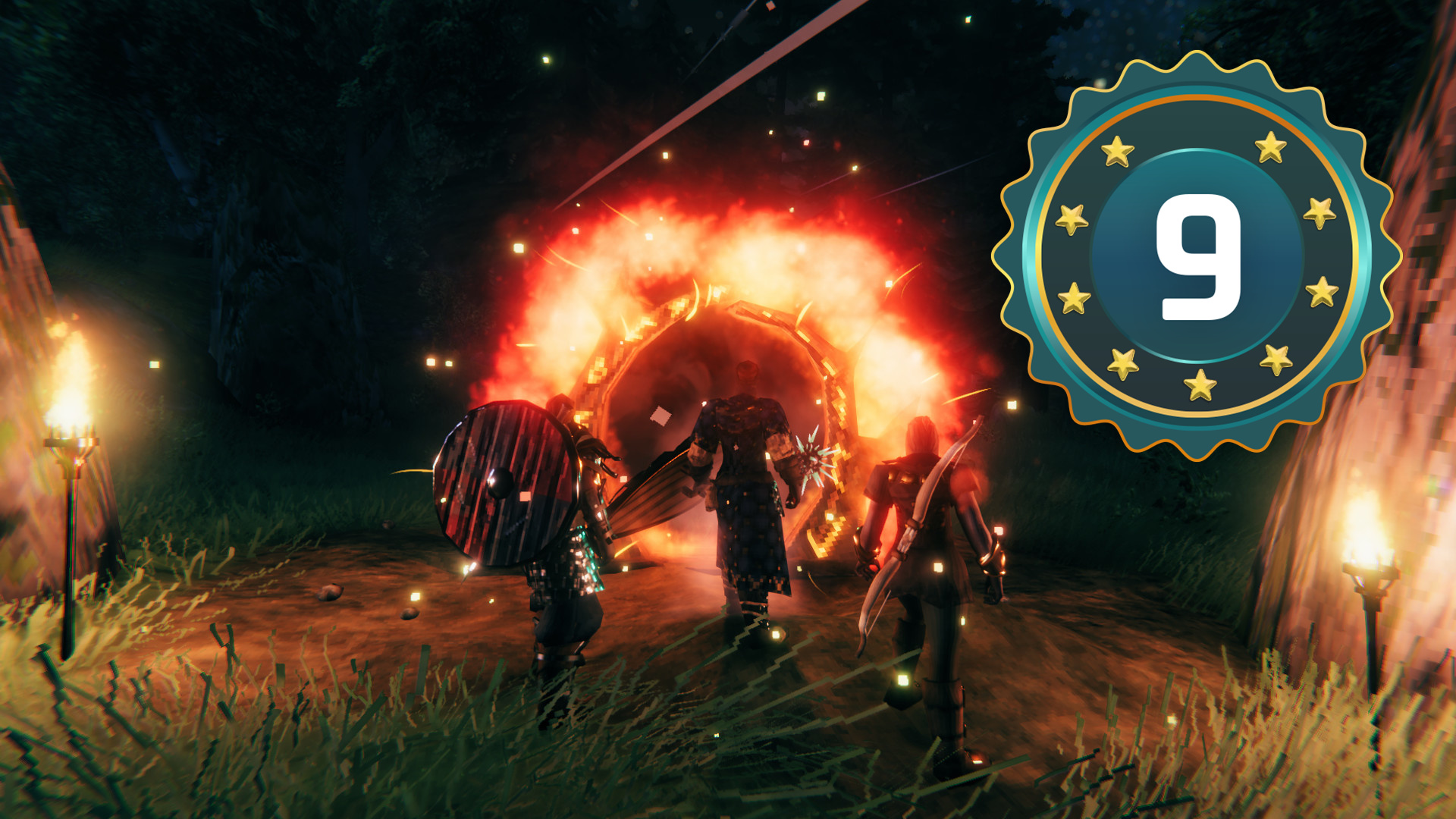
Valheim distinguishes itself in the crowded survival genre by blending linear progression with open gameplay. Unlike most survival games that dump players into a world with complete freedom, Valheim provides structure without sacrificing exploration. That balance keeps engagement high throughout the experience.
The game begins with a procedurally generated world where a raven greets you and marks nearby boss locations. This guide reappears only at pivotal moments, offering lore or information about newly unlocked content. There's no quest log, just brief nudges toward what you might want to do next. Progression is tied to biomes: defeat each biome's boss to gain an item that helps you reach the next one. This structure prevents the aimless wandering that plagues many survival games.
Most of Valheim's playtime involves crafting and base-building, but these systems are designed with intention. The workbench requires a roof to function. A bed needs both a fire and a roof. That fire produces smoke that will kill you indoors, forcing you to build a chimney. These mechanical requirements naturally lead to functional, livable structures rather than the typical starter cube found in other survival games. A first building ends up resembling an actual settlement.
Decoration and furniture carry tangible benefits. Placing decorations increases comfort level, which grants the Rested bonus: increased XP gain and faster health and stamina regeneration. Higher comfort extends the buff's duration. This system incentivizes players to furnish and decorate rather than hoarding resources, and bases naturally evolve into cozy, lived-in spaces.
Combat adopts a Souls-adjacent style emphasizing parrying and dodging. Successful parries stagger opponents and enable significant damage increases. Learning enemy attack patterns becomes rewarding because the parry mechanic feels satisfying. Exploration pairs excitement with risk: new biomes offer resources and recipes but hold tougher enemies. The world consists of multiple islands, requiring sailing to new lands for specific resources or landmarks. Death means retrieving your items from where you fell, encouraging careful expedition planning. Players naturally prepare with the Rested buff, travel during daylight when the world is more peaceful, and consider wind direction for sailing. These practical considerations make every task feel like a journey grounded in realism.
The Deep North biome, added with Valheim's 1.0 update, introduces new creatures and stronger versions of existing Black Forest enemies. New dungeons and an additional boss are included. Low visibility from snow and dense forests create tension during exploration. The main draw is new timber wood materials that enable decorative building options, motivating base renovations. While the Deep North itself isn't the most impressive biome addition, the overall package remains highly recommendable to both genre veterans and newcomers.
Valheim stands out by maintaining focused progression while letting players feel like they're living in the world rather than simply surviving in it. The intentional design of base-building mechanics and the structured path through biomes create engagement that surpasses most other survival games.
Sources
- ShacknewsEstablished publication · recorded Sep 30, 2026Valheim review: Worth the wait