
TCL CSOT's new 500-nit inkjet OLED tech could solve PC monitors' brightness problem
A new generation of inkjet-printed OLED panels from Chinese manufacturer TCL CSOT promises full-screen brightness of 500 nits, nearly double the current standard and potentially the biggest leap in OLED monitor brightness since the technology reached PC

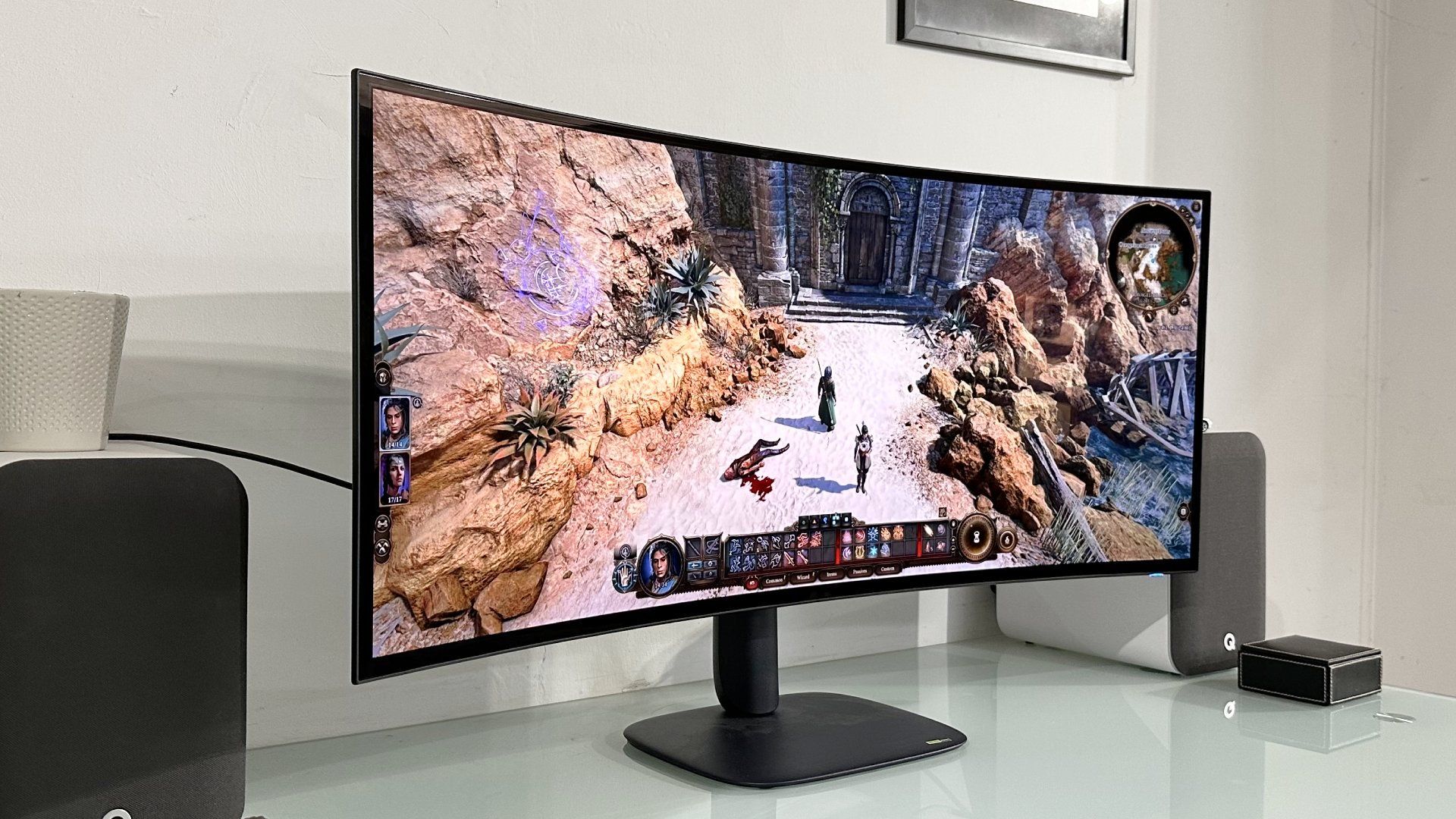
OLED PC monitors have steadily improved over recent years, but one persistent limitation has held them back: full-screen brightness. A new panel technology from TCL CSOT aims to change that with a demonstrated capability of 500 nits across the entire display.
The breakthrough uses an inkjet-printing process to apply OLED material onto the display substrate, similar to how inkjet printers work. This differs from the evaporation and metal-mask deposition methods used by Samsung and LG in their existing OLED panels. The technology was originally developed by JOLED, a now-defunct Japanese OLED specialist.
TCL CSOT's first-generation inkjet panel, which appeared in the MSI Pro Max monitor, achieved 300 nits of full-screen brightness. This matched the performance of Samsung's QD-OLED and LG's WOLED panels, which currently top out at 300 nits and 335 nits respectively. Both Samsung and LG have increased brightness gradually with successive generations, starting at 250 nits when OLED PC monitors first launched.
The new second-generation inkjet panel, shown as a 27-inch 4K display running at 120 Hz during IFA 2026, represents a significant jump. At 500 nits full-screen brightness, it would mark the single largest brightness increase since OLED became widely adopted for PC monitors. The panel maintains 99% DCI-P3 colour coverage and uses a true RGB-stripe subpixel structure, which should support both clarity and colour vibrancy.
TCL CSOT claims another advantage: the new inkjet OLED maintains full colour volume regardless of brightness level. Samsung QD-OLED and LG WOLED panels reportedly struggle to maintain colour volume at lower brightness settings, though the visual impact of this difference remains unclear.
Current OLED monitors can already achieve 1,500 nits on small details, but full-screen brightness has lagged. At 500 nits full-screen, the new panel should deliver a vibrant experience for typical PC monitor use cases. Most users would find such brightness more than sufficient for daily use, though outdoor-focused or high-ambient-light scenarios might require higher levels.
TCL CSOT has not announced availability timelines or which monitor sizes and formats will adopt the new panel technology beyond the 27-inch 4K demo unit. Burn-in remains a consideration with OLED displays.
Sources
- PC GamerEstablished publication · recorded Sep 30, 2026This new super-bright 500 nit 'inkjet' tech promises to fix OLED's full-screen brightness limitation