
Steam Frame Reviews Praise Wireless PC Streaming, Flag Battery Life and Price
Valve's Steam Frame VR headset has reached reviewers with mixed verdicts. Its 6GHz wireless streaming from a gaming PC earns consistent praise, but battery life under two hours, monochrome passthrough, and a $1,059 starting price prompt significant

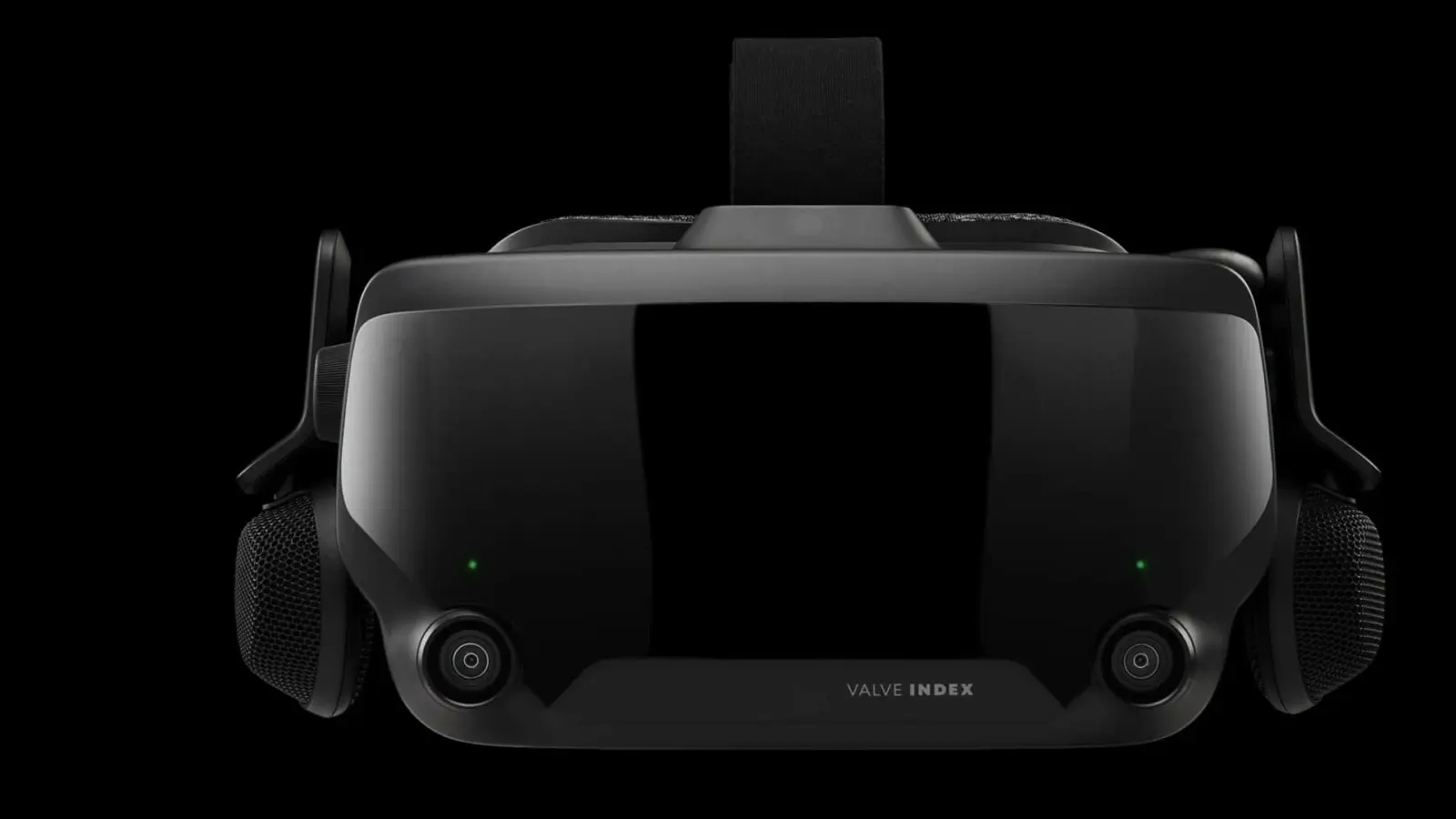
Valve's Steam Frame VR headset has arrived at review outlets, and the consensus centers on a clear strength paired with notable compromises. The headset's wireless PC streaming via its included 6GHz adapter receives the most consistent praise across reviews, while battery life, passthrough capability, and pricing generate the sharpest criticism.
PC Gamer scored the headset 80 out of 100, Tom's Hardware gave it four out of five stars, and Engadget awarded 6.5 out of 10. Road to VR published its review on September 16 without a numerical score. The Steam Frame starts at $1,059 in the US for the 256GB model. Valve says its first purchase emails go out from September 18, with recipients receiving 72 hours to complete payment. No delivery date has been announced for the US or Europe.
The core appeal of Steam Frame is its wireless connection to a gaming PC rather than local processing. PC Gamer's Jacob Ridley reports a seamless, reliable connection without encountering issues at home or in a busy office environment. Road to VR's Scott Hayden finds the streamed image close enough to a tethered connection that average users may struggle to distinguish the two through latency or image quality. Tom's Hardware's Brandon Hill characterizes the streaming performance as excellent, and Engadget's Devindra Hardawar reports a stable stream of Control from a PC. This agreement matters because the wireless design is central to the headset's intended use case.
Battery life emerges as the most repeated complaint, though results vary sharply by workload. Engadget measured around two hours for video and light gaming, dropping to just under 90 minutes in demanding games such as Half-Life: Alyx. Road to VR averaged between one and 1.5 hours of mixed use. PC Gamer's testing proved particularly demanding: it lost half the battery in under 30 minutes while playing Eleven Table Tennis locally at 120Hz. When streaming, Tom's Hardware recorded more than double the runtime compared to an hour of standalone play at 72Hz. The rear strap contains a 21.6 Wh battery, though Valve provides no official runtime estimate. Recharging from empty takes 142 minutes using Valve's own adapter, which costs $29 separately.
Comfort receives qualified praise. Road to VR finds the Frame somewhat more comfortable than Quest 3 without an optional top strap and substantially more comfortable with it attached. The top strap, however, is not included in the box; it is part of Valve's $59 Ergonomic Accessories Kit. Engadget notes an important limitation for glasses wearers, finding the headset noticeably less comfortable for that group.
Passthrough is another recurring compromise. Valve's specifications list monochrome passthrough. Road to VR describes the view as grayscale and relatively low resolution, comparing it with the grainy view of Quest 2 while noting it is not quite that poor. PC Gamer finds that the tracking cameras work well but render only a rough blue view of the room.
Standalone gaming on the Snapdragon 8 Gen 3 processor receives more mixed assessment. Road to VR says games run well when developers have optimized titles specifically for Steam Frame. Tom's Hardware notes that emulation imposes a performance cost on standalone play. Engadget calls the included standalone Half-Life: Alyx port noticeably less sharp than its PC counterpart but still regards it as a premium VR experience. Valve includes a standalone version of Half-Life: Alyx with the headset.
Valve is working on a replacement strap that would include a hot-swappable battery and Index-style off-ear audio. Software engineer Jeremy Selan described the planned accessory to PC Gamer, while hardware engineer Joy Lyons said it would not be available at launch and that pricing and further details were still to come.
The price is where the reviews diverge most in weighing the headset's compromises. PC Gamer calls it the best all-round VR headset for user experience while identifying price as its major problem. Tom's Hardware argues that the price will determine whether the Steam Frame succeeds or fails. Engadget directs most readers toward the $600 Quest 3 instead, and Road to VR positions Steam Frame as a product for power users willing to adjust settings. The shared conclusion across reviews is specific: the headset is strongest when paired with a gaming PC and used with the included wireless adapter. For buyers who already have that PC, can accept the $1,059 entry price, and are prepared for additional accessory costs and limited standalone runtime, the reviews indicate that Steam Frame delivers impressive wireless streaming.
Sources
- Gamereactor UKSecondary publication · recorded Sep 19, 2026Valve's Steam Frame Impresses Most Beside a Gaming PC