
Monster Hunter Wilds: Ascendance aims to course-correct with new Boost Bracer, base game playable on Switch 2
At Tokyo Game Show 2026, Capcom showed off the Ascendance expansion with gameplay changes designed to address mixed reception to the base game. The expansion introduces the Boost Bracer system and new monsters, while the base Monster Hunter Wilds now runs

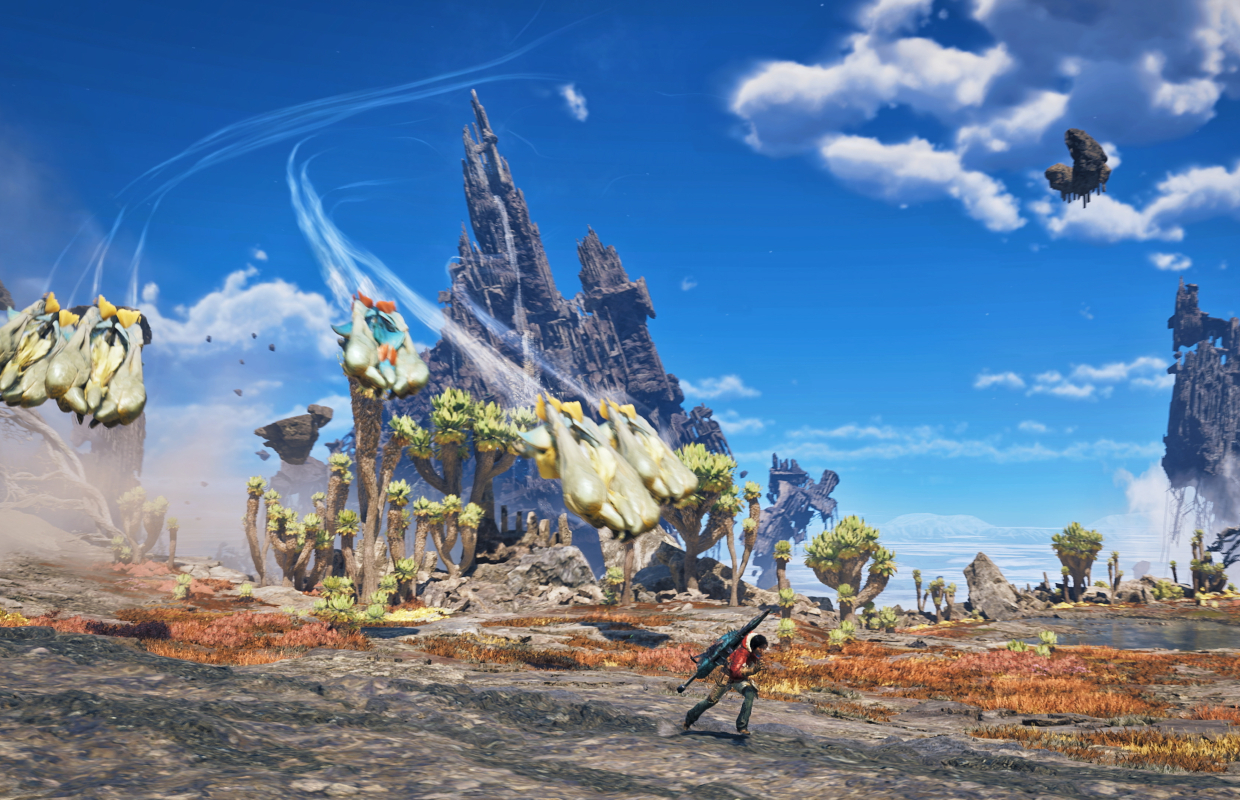
During Tokyo Game Show 2026, Capcom demonstrated Monster Hunter Wilds: Ascendance with a focus on addressing feedback from the base game's launch. The expansion introduces significant gameplay refinements, most notably the new Boost Bracer, a device that shifts the expansion toward a more arcade-style approach similar to Monster Hunter Rise.
The Boost Bracer functions as a layer atop existing combat rather than a replacement for core mechanics. Players accumulate charges during hunts by landing attacks, then activate Boost by pressing R2, Triangle and Circle simultaneously. Once activated, the boost lasts about half a minute and increases motion values for all actions while potentially changing attack attributes. A Greatsword user, for example, gains an aerial strike reminiscent of Monster Hunter Generations' Aerial style when landing an offset counter during boost.
Unlike Monster Hunter World: Iceborne's clutch claw or Wilds' focus mode, the Boost Bracer doesn't fundamentally alter how hunts flow. Players decide when to deploy charges to counter monster rage states or capitalize on weaknesses, keeping strategic depth in player hands. The design feels deliberate: flashy in concept but measured in execution.
The Ascendance demo featured hunts against two monsters. Araketa, a new Bird Wyvern, uses air pockets attached to its wings for mobility similar to Valstrax. Teostra also appeared, enhanced with abilities borrowed from Monster Hunter Rise: Sunbreak. A strict 20-minute time limit prevented extended engagement with Teostra during the preview session.
Perhaps the bigger story emerged from hands-on time with Monster Hunter Wilds on Nintendo Switch 2. The base game, which somehow squeezed onto the handheld, runs at a capped 30 FPS in handheld mode with a visual presentation comparable to Dragon's Dogma II: Dark Arisen on the same hardware. The port retains Monster Hunter's portable appeal despite occasional frame dips below the 30 FPS target during extended hunts. An uncapped mode exists but remains impractical for current hardware. Docked performance wasn't tested during the preview.
Capcom noted the Switch 2 port remains several months from release, leaving room for performance optimization. For players seeking Monster Hunter on the go, the handheld version passes basic quality thresholds. Frame drops during gameplay weren't uncommon, though the Monster Hunter series has long accommodated such variation in portable releases.
Monster Hunter Wilds: Ascendance launches for PlayStation 5, Xbox Series X|S, PC and Nintendo Switch 2, with the Switch 2 release arriving later than other platforms. The expansion's design philosophy suggests Capcom is responding directly to feedback about the base game's departure from the franchise's more action-oriented roots, positioning Ascendance as course correction rather than continuation.
Sources
- RPG SiteEstablished publication · recorded Sep 27, 2026At TGS 2026 Monster Hunter Wilds: Ascendance felt like an apology, while the basegame somehow runs on Switch 2