
The real threat to kids' mental health isn't gaming, it's parental neglect
An opinion piece from Safe In Our World argues that video games offer genuine mental health benefits for young people when parents engage with what their kids are playing, rather than imposing blanket restrictions.

Video games have become an easy scapegoat in conversations about young people's mental health, often without much understanding of the positive role they can play. Critics cite them as the cause of anxiety, isolation, anger, and poor sleep. Researchers, meanwhile, keep finding that such a narrative is far from black and white.
Games can be a lifeline for socially anxious kids, a coping tool for those with ADHD, and a rare space where isolated teens feel connected to a larger community. According to Sarah Sorrell, Charity Director at Safe In Our World, the mental health nonprofit for the people who make games and the people who play them, the loudest narrative is usually the least useful one.
Some games and online spaces do genuinely contribute to isolation, anxiety, or unhealthy habits, especially when kids play without guidance or without anyone paying attention to how they're doing. But other games do something very different. They give kids a place to problem-solve with friends, to lead a team, to fail and try again without real-world stakes, and to feel like they belong.
What separates a healthy gaming experience from a harmful one usually isn't the game itself. It's context: whether a child feels worse or better after they log off, whether the space encourages connection or preys on compulsion, and whether the adults around them are curious about that world instead of dismissing it outright.
Blanket restrictions on gaming make for an easy headline, but they don't hold up to how kids actually live now. Telling a young person to simply get off the game without understanding what that game gives them, whether it's friendship, creative expression, or a sense of mastery, doesn't address the underlying need. It just removes one of the few places they were meeting it.
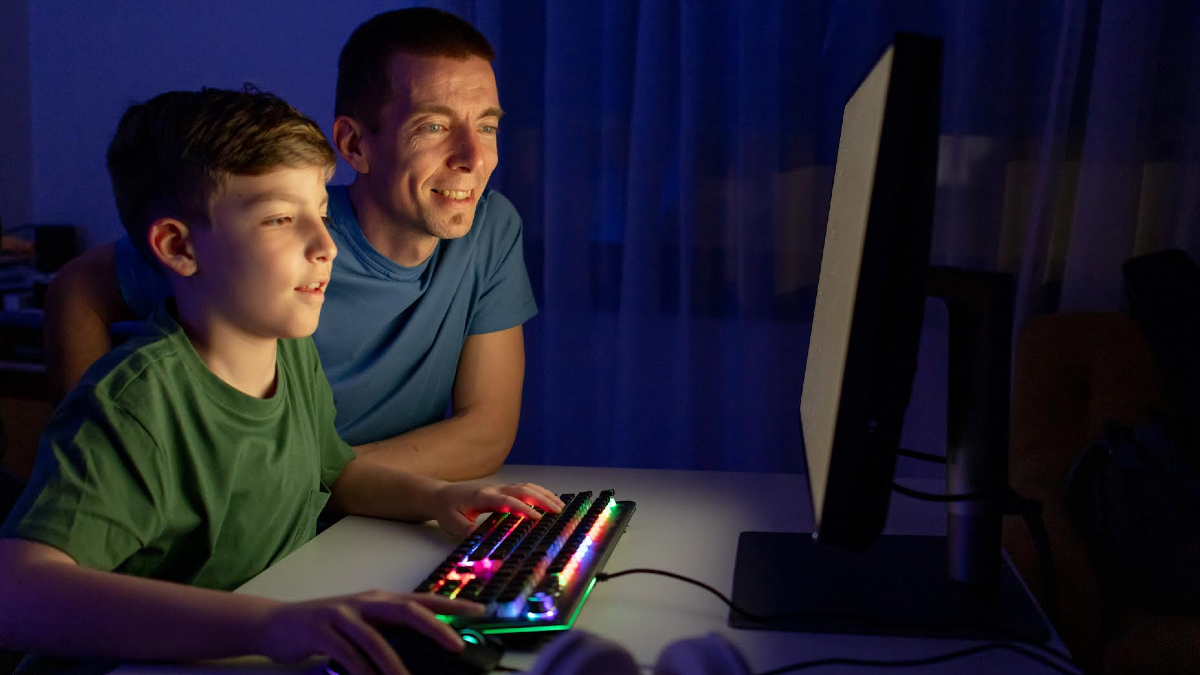
A better approach starts with curiosity. Ask your kid what they're building, who they're playing with, and how they feel when they close the app. Try to play the game with them. Some games offer ways for you to play with your children, like Roblox's Family Zone. Playing with your child helps you understand what draws them to a game. As their guardian, you can assess the games they're playing and use this opportunity to build a stronger, meaningful bond.
Sorrell brings over 20 years of charity sector experience, including a background building mental toughness programs for young people in sport, to her mission of dismantling stigma and making mental health as openly discussed as physical health across the gaming industry.
Sources
- GamesBeatEstablished publication · recorded Sep 30, 2026The problem isn’t kids playing games – it’s parents not paying attention | Opinion