
DLSS 5 Struggles With Anime Art Style in Hatsune Miku Rhythm Game
A PC Gamer writer tested Nvidia's latest upscaling tech on an RTX 4070 Super through unofficial means, applying DLSS 5 to Hatsune Miku: Project Diva Mega Mix+. The results highlight limitations of neural rendering on anime-adjacent visuals.

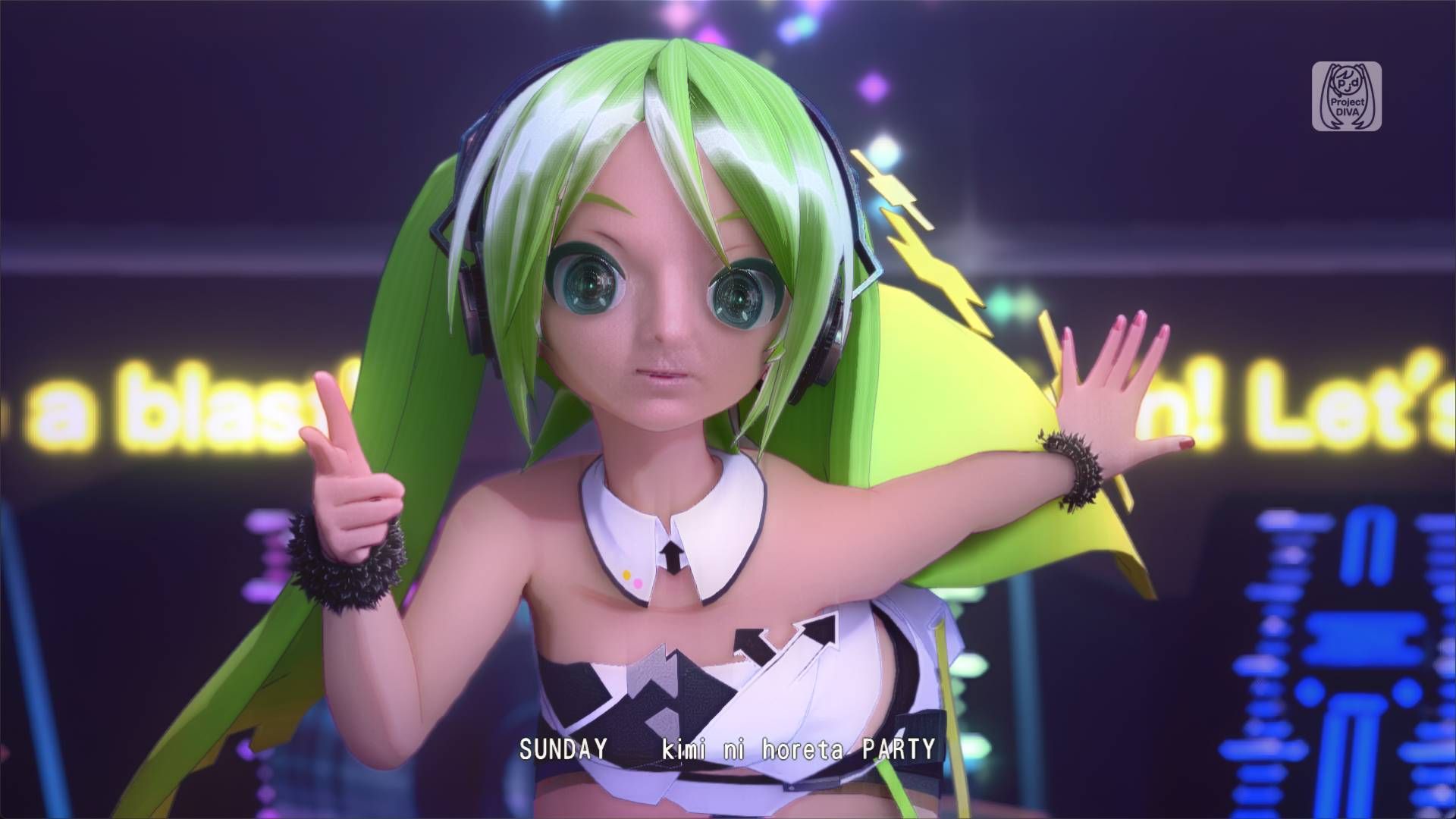
Nvidia's DLSS 5 upscaling technology is officially limited to the company's newest 50-series graphics cards, though the company has indicated the neural rendering tech will eventually reach 40-series hardware. One writer decided not to wait, using unofficial methods to test DLSS 5 on an RTX 4070 Super.
The experimental setup used DLSS 5 Manager to enable the technology on Hatsune Miku: Project Diva Mega Mix+, an anime-style rhythm game. Before modification, the game ran at a solid 60 fps, though performance varied depending on the song being played. With DLSS 5's Live Flow function active, frame rates dropped significantly enough to make timed button prompts nearly impossible to hit during gameplay.
The writer tested the upscaling by watching the game's music videos without rhythm mechanics interfering, using the in-game Custom Playlists menu to bypass gameplay entirely. Visual comparisons revealed that DLSS 5 struggled with the game's anime-adjacent art style, suggesting neural rendering technology may not be well-suited for this type of visual presentation.
Hatsune Miku: Project Diva Mega Mix+ normally runs smoothly on modern hardware, but the aggressive upscaling introduced performance issues that would have severely hampered the rhythm game experience during actual play.
Sources
- PC GamerEstablished publication · recorded Sep 24, 2026I applied DLSS 5 to my Miku Hatsune game of choice, and I have some regrets