
Why do games make crouch walking the default stealth move?
Crouch walking is gaming's go-to stealth mechanic, but few games acknowledge how impractical it actually is. The Outer Worlds 2 and Fallout: New Vegas are rare exceptions.

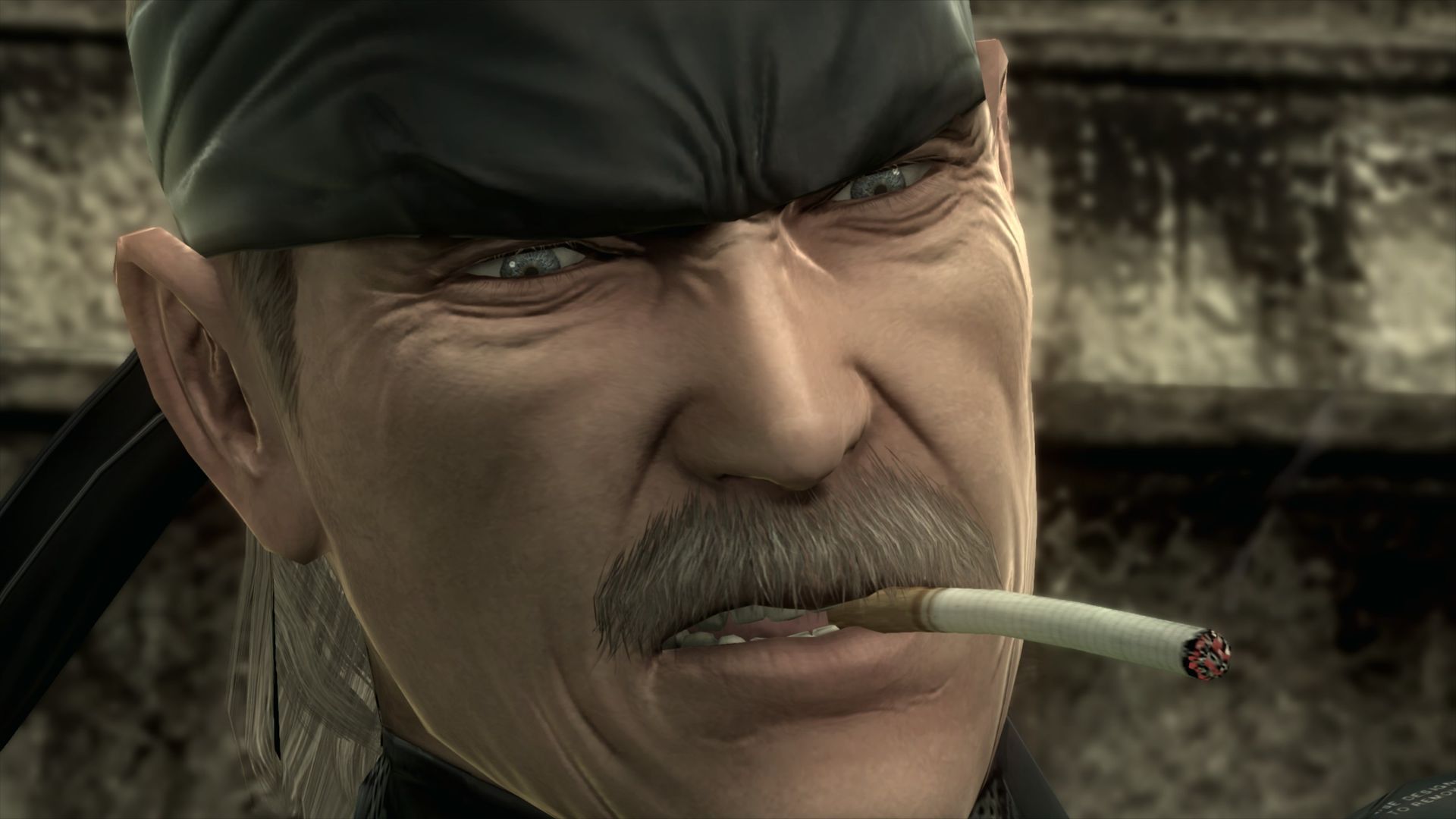
Crouch walking has become the universal language of stealth in video games. Players instinctively drop into a crouch to signal "sneaking mode," whether they're infiltrating a compound or padding through a dungeon. Even the Metal Gear series, which originally offered only upright running or belly crawling, eventually embraced the crouch walk.
The mechanic's ubiquity raises an awkward question: try actually crouch walking in real life. The experience feels clumsy and slow, nothing like the fluid sneaking games depict. Yet most games never acknowledge the gap between virtual stealth fantasy and physical reality.
Two titles stand out for subverting the trope. In Fallout: New Vegas, the companion Raul occasionally complains about his bad knees during stealth sequences, grounding the mechanic in real-world constraint. The Outer Worlds 2 takes it further by offering "bad knees" as a character trait with genuine mechanical consequences: creaky joints can alert nearby enemies when you drop into a crouch.
By introducing penalty and consequence, these games poke fun at gaming convention while making stealth feel more tactically interesting. Most other titles treat crouch walking as a cost-free superpower, a solution to every sneaking problem with no downside. The rarity of games that question this assumption suggests the stealth crouch has calcified into such fundamental game language that few developers bother to examine it.
Sources
- PC GamerEstablished publication · recorded Sep 22, 2026You ever notice how much more crouch walking you do in games than real life