
ASUS ROG Highlights Integration and Cooling in Gaming Laptop Lineup
ASUS showcases how holistic engineering, power budgeting, and advanced thermal solutions define its ROG Strix SCAR 18 and related laptop offerings.

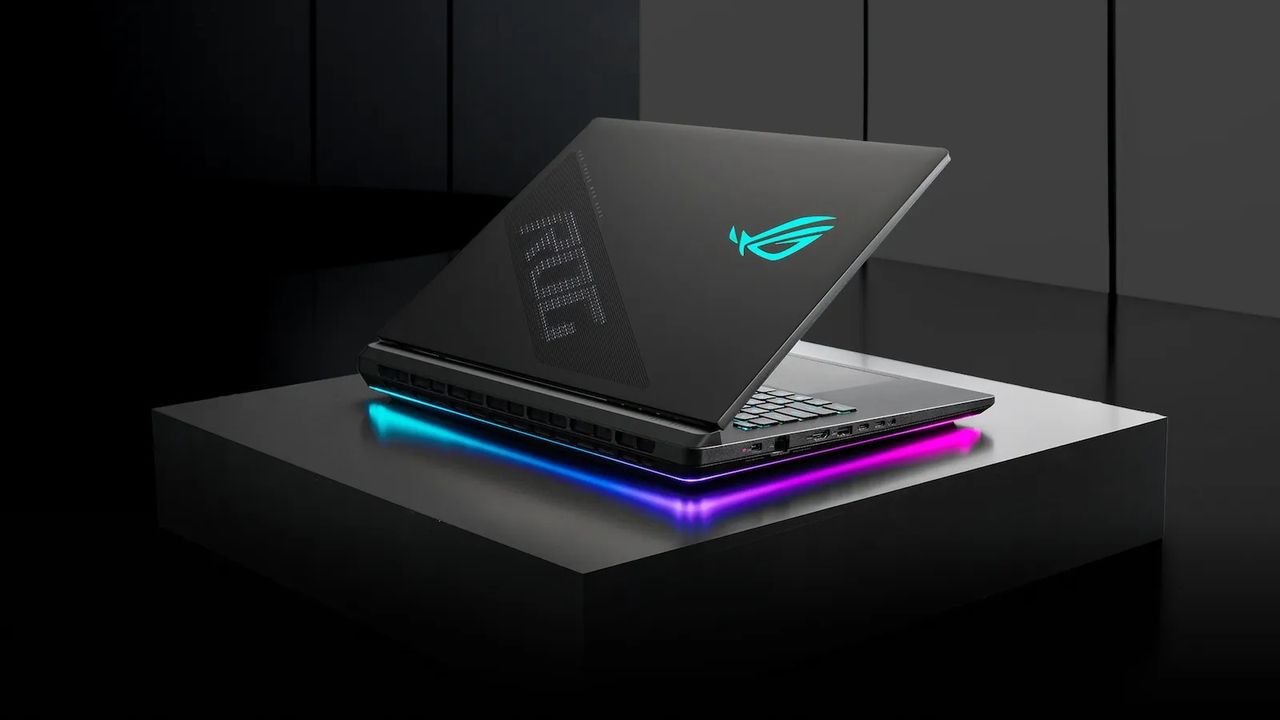
When shopping for a high-performance system capable of handling heavy workloads, demanding applications, and high-end gaming, looking strictly at individual components often leaves buyers with questions about real-world capability. According to ASUS, its Republic of Gamers (ROG) sub-brand focuses heavily on the design and engineering philosophy that a computer is more than just its raw parts. Instead, how components interact, share power, and manage thermal output defines the overall experience, as exemplified by the ASUS ROG Strix SCAR 18.
Designed to tackle intensive tasks ranging from AI workloads and engineering simulations to creative rendering and high-end gaming, the ROG Strix SCAR 18 pairs an Intel Core Ultra 9 290HX Plus processor with a GeForce RTX 5090 Laptop GPU. The system features a combined 320-watt power budget, allowing it to dynamically distribute up to 200 watts to the CPU or 175 watts to the GPU depending on current demands. To manage the resulting heat, the laptop incorporates ROG Intelligent Cooling, utilizing liquid metal on both the processor and graphics card, alongside a full-width vapor chamber and a triple-fan cooling array.
The GeForce RTX 5090 Laptop GPU included in the configuration boasts 24 GB of GDDR7 VRAM, complemented by features like DLSS 4 Multi Frame Generation. Visual output is handled by an 18-inch Mini LED Nebula display featuring a 4K resolution, a 240 Hz refresh rate, Display HDR 1000 certification, up to 1,600 nits of brightness, and over 2,000 dimming zones. Motion clarity is further assisted by ROG Nebula ELMB backlight strobing, while NVIDIA Reflex technology aims to maintain low latency.
Beyond the flagship Strix SCAR 18 model, the ROG lineup also includes alternatives like the ROG Strix G16 and ROG Strix G18, which carry over similar design principles into configurations tailored for different user requirements. The hardware architecture also includes tool-less access to storage and memory to accommodate future component adjustments.
Sources
- PC GamerEstablished publication · recorded Sep 10, 2026ASUS ROG gaming laptops show a computer is more than its components