
Tokyo Game Show 2026 draws record crowds despite extreme congestion and hour-long queues
An Insider Gaming editor attended the Tokyo Game Show for the first time and found it delivers an unmatched gaming experience, though overcrowding and limited English translations pose significant challenges for international visitors.

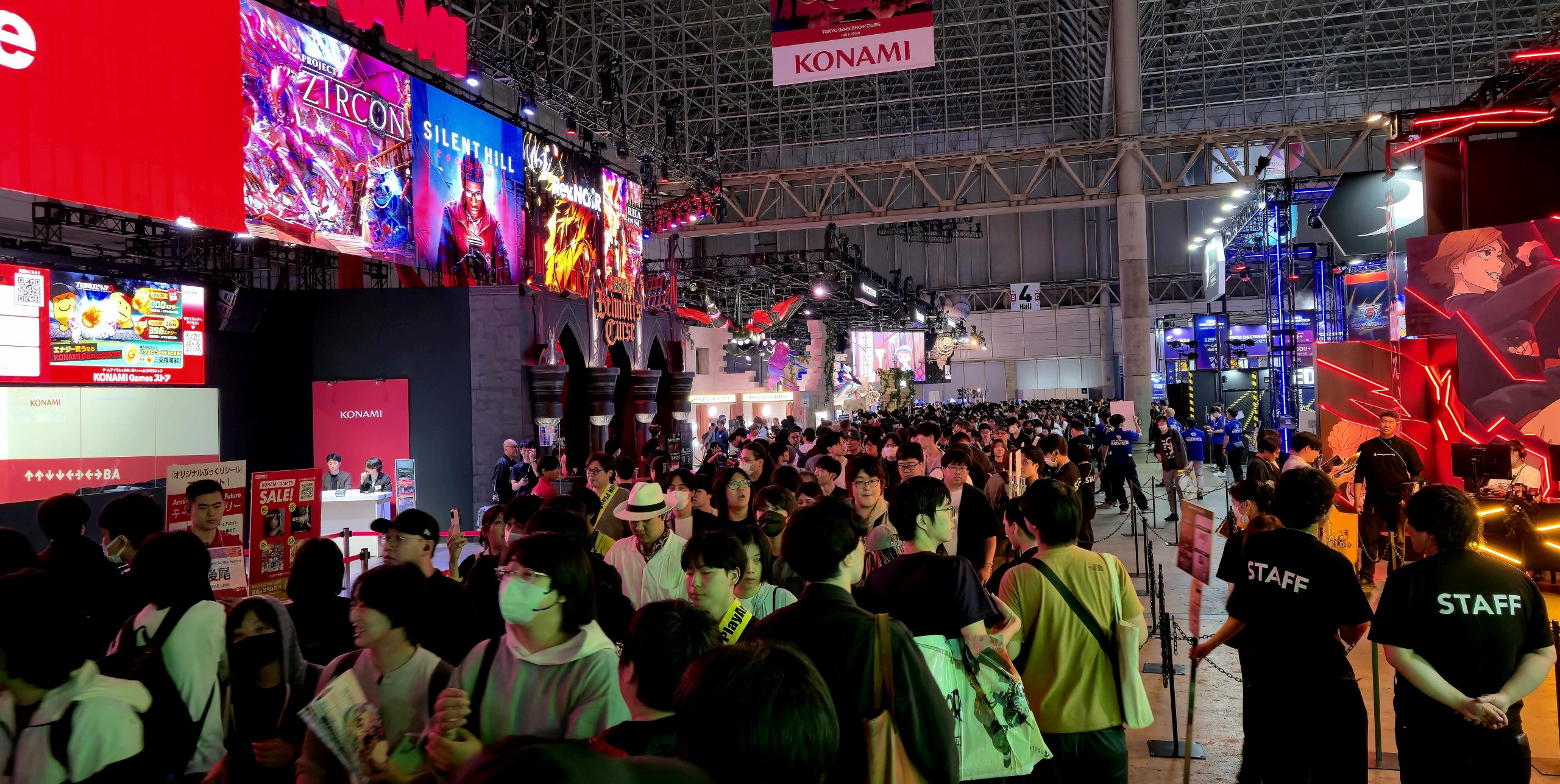
The Tokyo Game Show lives up to its legendary status, but attendees should prepare for the realities of visiting one of the world's most passionate gaming events. An Insider Gaming editor recently attended for the first time and found the experience both exhilarating and overwhelming.
Overcrowding remains the show's most significant challenge. The event drew 55,000 visitors on business days alone, with queues for major attractions regularly exceeding an hour. The Grand Theft Auto 6 experience sold out of timed tickets within ten minutes of the event opening on business days. On public days, the congestion intensified further, with attendees boarding trains to the Makuhari Messe venue packed shoulder-to-shoulder. Visitors described being unable to navigate freely, instead moving with the crowd as marshals with glowsticks guided the flow of bodies through the halls.
The scale of the show is staggering. A quarter of a million people visit across three to four days, creating a spectacle unlike Western gaming conventions. The atmosphere reflects genuine passion, with attendees actively engaging with booth staff, collecting materials, and documenting everything they encounter. However, this intensity isn't for everyone. The combination of relentless crowds, constant noise, flashing lights, and intense social engagement makes the show challenging for those with anxiety or sensory sensitivities.
Tokyo Game Show distinguishes itself through its distinctive presentation style. Nearly every major booth features a strong idol presence, with costumed performers handing out promotional materials and merchandise. This approach differs markedly from European and North American gaming expos. The editor noted an unexpected increase in revealing cosplay outfits compared to previous years, contrasting with earlier periods when stricter self-regulation was enforced.
Language barriers present a notable problem for international visitors. While the event attracts global media, not all games receive English translations. One sizeable game with significant attention was available only in Japanese, from menus to dialogue, which felt like an oversight for an internationally-focused event.
Despite these obstacles, the quality of experiences available is exceptional. The event showcases hundreds of games, from single-developer indie titles to major AAA releases, often with developers present at booths. Shift Up's CEO Kim Hyung-tae was photographed with fans at the Stellar Blade booth, which featured the Nintendo Switch 2 version. The indie presence is particularly strong, with 80 curated games selected from thousands of applicants. Offerings span VR, AR, mobile experiences, arcade games, and experimental technology-driven titles. The scale of some booths rivals Gamescom, the world's largest gaming expo.
Interactive experiences stand out as highlights. Games like Un:Me created immersive environments, such as a replica in-game corridor where a terrifying figure chased visitors through the space. Free merchandise and vendor giveaways are abundant throughout the venue.
For those who can tolerate the crowds and embrace the sensory overload, Tokyo Game Show delivers an unparalleled celebration of gaming culture and innovation. Planning strategically, arriving early, and accepting that missing certain attractions is inevitable will help international visitors maximize their experience.
Sources
- Insider GamingEstablished publication · recorded Sep 20, 2026Inside Tokyo Game Show: Overloaded, Unfiltered, and Incredible