
Thief Designer Randy Smith Evergreen Turned Down Xbox Over Studio Closures
Veteran developer Randy Smith Evergreen recently explained why he refused funding from Xbox, comparing the decision to ignoring obvious warning signs after Microsoft dissolved Arkane Austin.

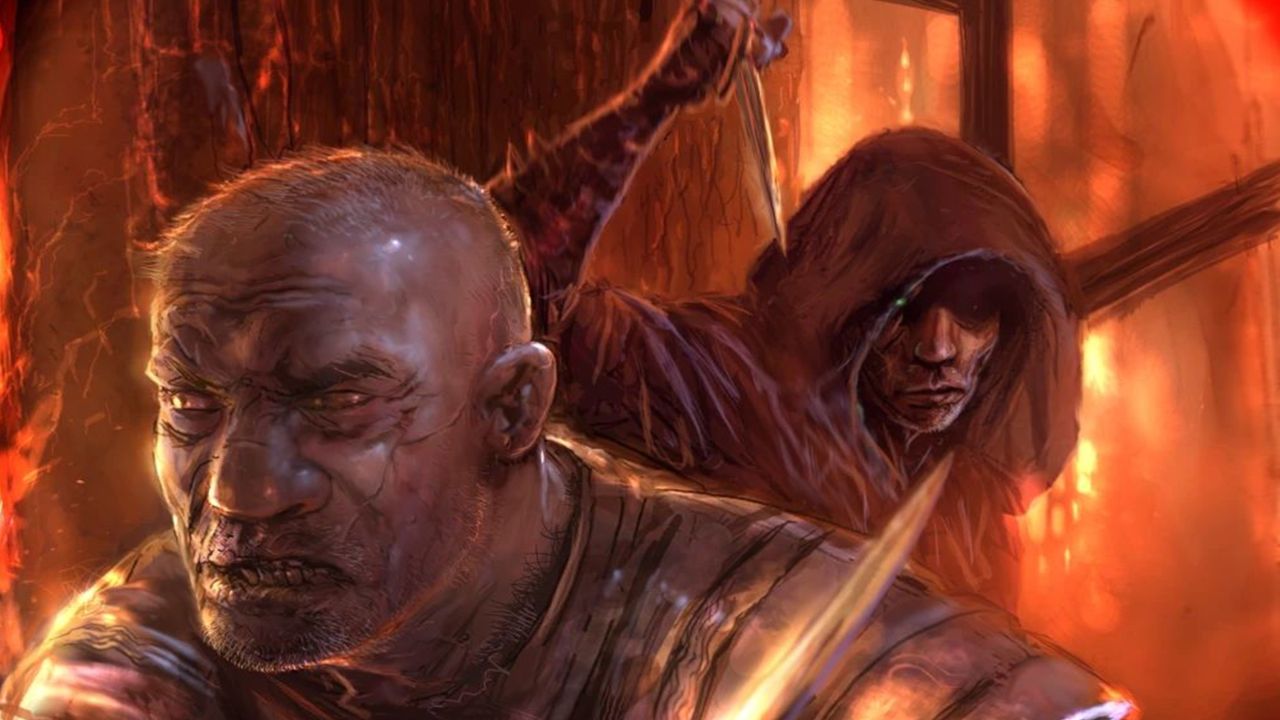
Veteran game developer Randy Smith Evergreen recently revealed that he turned down an opportunity to work with a studio funded by Xbox during a difficult period in his funding search. Smith Evergreen stated that taking a job with Microsoft at that point would have felt like walking past human skulls on stakes. He pointed to Microsoft's track record of dissolving acquired studios as a primary deterrent, noting that recent layoffs at the company validated his hesitance.
By the time Smith Evergreen faced his decision regarding Xbox, the company had already shut down Arkane Austin. Arkane Austin was the studio behind Dishonored and Prey, and it was known for maintaining the design principles, atmosphere, and worldbuilding of the Thief series. Smith Evergreen noted that he had countless friends who worked at or founded the studio, and he highlighted the tortured history of their last project, Redfall. He emphasized that the shortcomings of that game were not entirely attributable to the talent within the studio, making the rapid closure a dire warning for prospective developers.
Rather than partnering with Xbox, Smith Evergreen managed to secure funding elsewhere, starting a new indie studio to work on an unannounced game. The project evolved out of an original pitch for a nonviolent role-playing game about a young American woman searching for her missing uncle in Eastern Europe. Although publishers initially passed on the nonviolent concept, Smith Evergreen prototyped mechanics and successfully pitched a reduced scope that ultimately found a backer.
Reflecting on his past work, Smith Evergreen discussed the development of Thief: Deadly Shadows, which was released in 2004. He recalled that publisher Eidos pushed the team to make the game more violent and wrested some creative control away from the developers. Eidos also insisted on adding the bloodythirsty subtitle rather than simply calling the game Thief 3, a choice that the team was not enthusiastic about. However, Smith Evergreen acknowledged that such feedback may have made the stealth-heavy game more accessible to a larger market.
Looking at the modern games industry, Smith Evergreen believes that the immersive sim genre no longer belongs in big-budget development. He argued that it is difficult for an immersive sim to win the financial arms race required for AAA status. Instead, he advocates for smaller triple-I or double-A projects with budgets ranging between three and ten million dollars. Pointing out that the original Thief cost three million dollars to make, he suggested that a modern equivalent could be produced affordably using existing engines and off-the-shelf assets without needing massive production budgets or excessive graphical fidelity.
Sources
- PC GamerEstablished publication · recorded Sep 14, 2026Thief designer Randy Smith Evergreen refused to work for Xbox because it would be like 'walking past some stakes with human skulls on them' and pretending 'it's probably fine in this direction'