
DICE reveals how Battlefield 6 became a blockbuster after Battlefield 2042's collapse
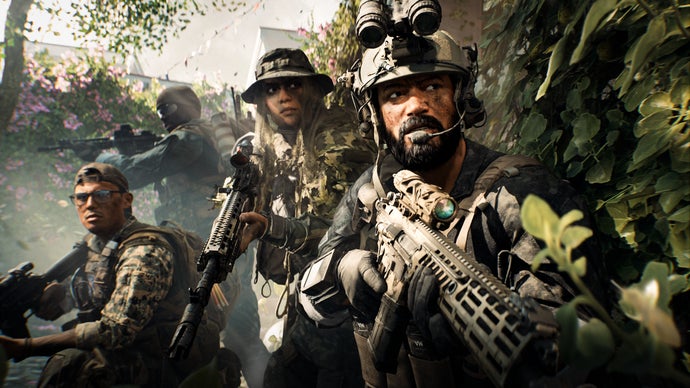
Rebecka Coutaz, VP and GM of Battlefield Studios Europe, details the organisational overhaul and multi-studio approach that transformed the franchise. Battlefield 6 sold 7 million copies in three days and became the best-selling game of 2025 in the US.

Rebecka Coutaz joined DICE in November 2021, just two weeks after Battlefield 2042's disastrous launch. The ambitious shooter faced brutal criticism, technical issues, and disappointing sales that prompted EA CEO Andrew Wilson to call performance "disappointing" to shareholders.
When Coutaz arrived as VP and GM, the studio faced significant work ahead. "We listened to our players, and we completely reorganised ourselves," she tells GamesIndustry.biz. The team implemented biweekly patches and restructured development to operate as a live service. "We changed the way we worked. We changed the organisation. We changed the process. We also had to work a little bit on our culture as well to listen to our people and empower them."
Leadership changes at the franchise level reinforced this shift. Call of Duty veteran Byron Beede was appointed GM before 2042's launch, while Respawn head Vince Zampella joined at the end of 2021. "They set the vision of what Battlefield should be in the future," Coutaz explains. "They felt that we should do a comeback and that we should deliver the best Battlefield ever."
Realising that vision required a fundamental restructuring of how Battlefield games were made. Rather than DICE handling most development, the work was distributed across four studios from the start: DICE, Criterion, Motive Studios, and Ripple Effect. This approach addressed the scale of content needed across multiplayer, single-player, and free-to-play experiences.
Ripple Effect and Criterion had contributed to previous Battlefield titles, but were previously brought in late in development. This time, they participated from the beginning. Ripple Effect had developed Battlefield Portal for 2042, while Criterion contributed to Battlefield 5 and 2042. Managing four studios across different time zones required clear frameworks and defined ownership. "There is team ownership, otherwise this powerful model of four studios behind one single vision wouldn't work," Coutaz says.
The strategy succeeded dramatically. Battlefield 6 sold over 7 million copies in its first three days and became the best-selling game of 2025 in the US. The reception contrasted sharply with 2042's launch, marked by universal acclaim and a smooth technical rollout.
Despite the turnaround, challenges remain. EA conducted layoffs at Battlefield Studios in March, and the free-to-play spinoff Battlefield Redsec received mixed reviews on Steam. The competitive landscape for shooters has also shifted, with smaller studios like Arrowhead (Helldivers) and Embark (Arc Raiders, founded by DICE veterans) influencing player expectations.
Coutaz acknowledges the competitive environment but emphasises that DICE doesn't chase competitors. "We wouldn't make good games if we were chasing our competitors. We are making games because we believe in what we're doing, because we're listening to our players and what they want to do." Competition, she adds, pushes the studio to innovate and take risks.
Looking forward, the studio is preparing content updates based on player feedback and technological advances. A roadmap revealed in April included Naval Warfare for season four. "Battlefield is a platform. It's going to be there," Coutaz says. "We are listening to our players and we are continuously learning. We're preparing ourselves, we have to continue to be better."
Sources
- GamesIndustry.bizEstablished publication · recorded Sep 28, 2026"It's a nice story to tell": How DICE bounced back from Battlefield 2042's disastrous launch to release the blockbuster Battlefield 6