
Mobile game distribution is fragmenting as regulatory pressure and direct-to-consumer models reduce barriers to alternative app stores
For years, Apple's App Store and Google Play dominated mobile game distribution. Now regulatory changes, rising user acquisition costs, and established direct-to-consumer channels are shifting how developers think about reaching players. Alternative app

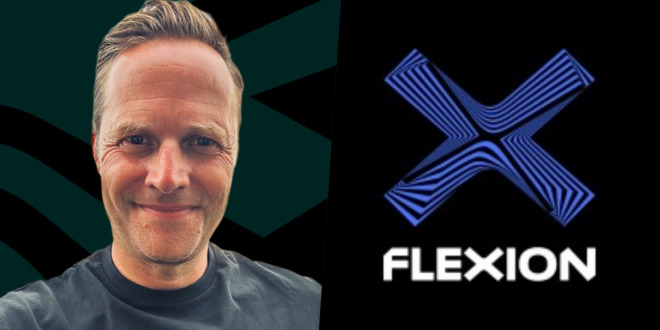
Mobile game distribution is undergoing a fundamental shift. For years, the industry has revolved around two dominant platforms: Apple's App Store and Google Play. Alternative app stores existed but remained largely secondary considerations in Western markets. That dynamic has changed significantly over the past couple of years.
Regulatory intervention in markets such as the EU, combined with growing investment in direct-to-consumer models and rising user acquisition costs, has created a landscape where developers are now looking beyond traditional app stores. According to Victor Horbach, general manager at Flexion, a company specializing in alternative app store distribution, "The friction around alternative distribution is starting to come down, and that changes the opportunity quite significantly."
Horbach emphasizes that this shift is not about alternative stores replacing Apple or Google. Instead, developers are beginning to think more seriously about how different distribution channels can work alongside one another. "Alternative stores have actually been a significant part of the ecosystem in some regions, China being the obvious example," he explains. "But globally, and particularly as an alternative to Apple and Google, there is definitely stronger momentum now."
Regulatory pressure and changes triggered by Apple and Google form the core of this shift. Horbach notes that five years ago, web shops and direct-to-consumer distribution outside major platforms could result in serious consequences for developers. "Today, D2C has become an established part of the industry and I think that will be very difficult to reverse," he says.
The economics of user acquisition are also driving change. Organic discovery through major app stores has become less powerful, while paid acquisition has grown increasingly expensive. This dynamic raises questions about the value platforms provide when developers bring their own users. "If developers are bringing the users themselves, it naturally raises the question of how much value the platform is providing in return," Horbach observes.
For developers considering expansion across multiple stores, two major barriers exist. The first is technical and operational. Each additional store requires its own integrations, testing, updates, and user support while maintaining product parity across channels. The second is commercial: simply placing a game in another store does not automatically generate incremental revenue. Developers must actively work each channel through promotions, storefront visibility, user acquisition tests, and local opportunities.
Some technical barriers may be easing. Horbach points to AI-assisted development as one factor already reducing integration work involved in supporting different channels. However, developers still need to understand individual stores and allocate resources if they want meaningful distribution results.
Horbach distinguishes between improving the economics of existing distribution and genuinely changing how games reach players. If developers simply receive better payouts from a store while competing for the same users through the same channels, much of that additional margin flows back into user acquisition. The larger opportunity comes when developers can reach genuinely different audiences through different stores serving different regions or genres, or through direct-to-consumer relationships that give studios better control over player relationships.
This changing landscape informed Flexion's launch of Exprexion earlier this year. The suite combines Flexion's existing work in alternative app store distribution with new approaches to creator-led marketing and direct-to-consumer sales. Horbach notes that developers have been watching regulatory changes closely but many remained cautious about actions that might risk relationships with Google or Apple. "I think that 'fear factor' is now largely gone," he says.
Horbach expects mobile distribution to become more fragmented over coming years. Large global app stores will likely remain but with less dominance than today. Alongside them, he anticipates strong regional stores, curated or genre-specific stores, direct-to-consumer distribution, and potentially entirely new channels yet to scale. Studios will need to look beyond headline commission rates when deciding which channels make sense for their games.
Without regulation, Horbach argues, the level of competition now emerging would not exist. "The web shop market probably wouldn't exist in its current form and the economics of mobile distribution would have remained largely untouched," he says. Regulation has created room for different commercial models and distribution options to emerge entirely, giving developers choices that simply were not available a few years ago.
Sources
- PocketGamer.bizEstablished publication · recorded Sep 22, 2026"The friction around alternative distribution is starting to come down"