
Meta Could Unveil Project Phoenix Headset at Connect 2026 With Photorealistic Hologram Calls
The Information reports that Meta may demo its Project Phoenix mixed-reality headset at Connect 2026 alongside full-body Codec Avatar video calls, with CTO Andrew Bosworth appearing as a hologram during the keynote.

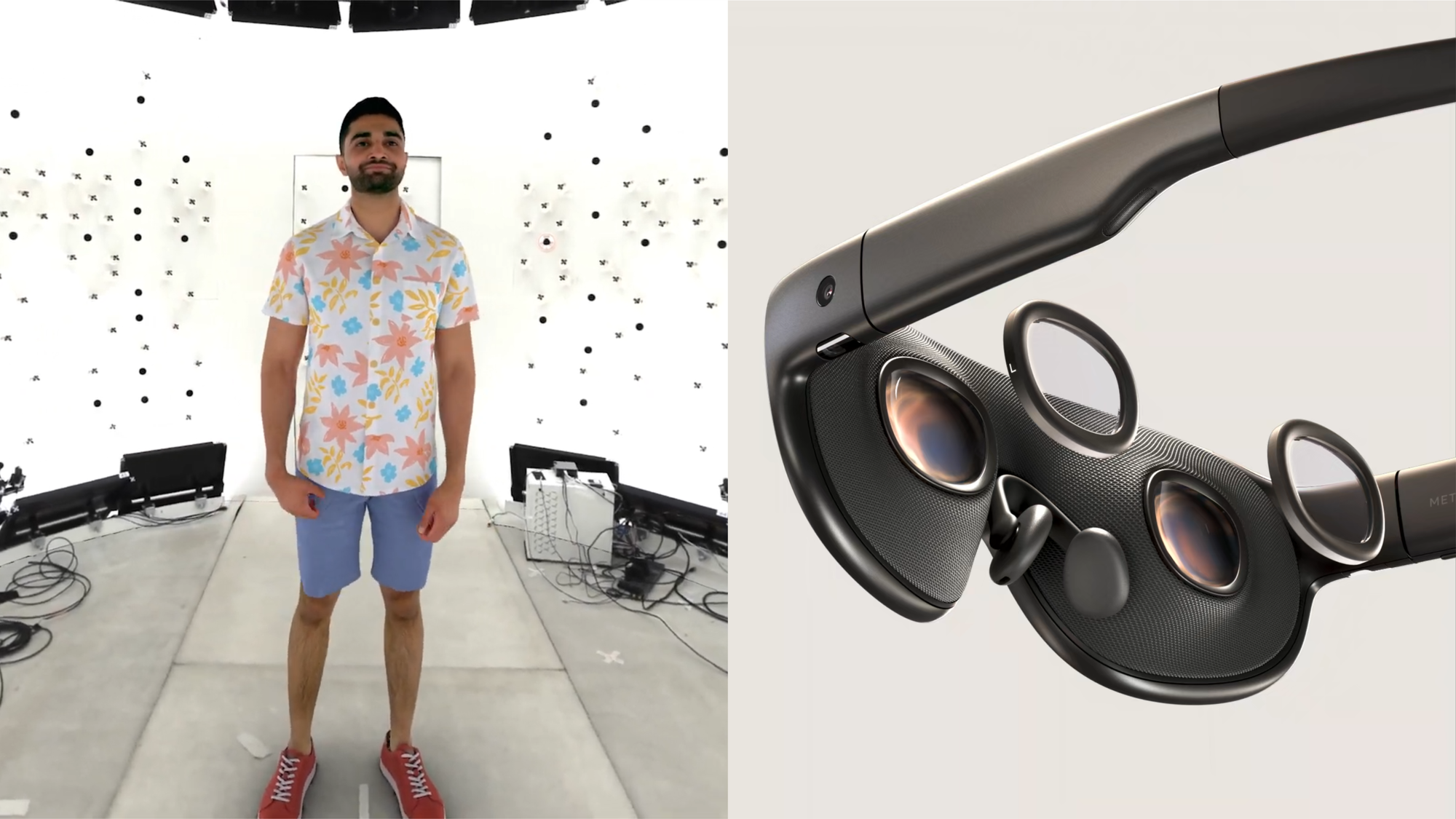
Meta could showcase its long-rumored Project Phoenix headset at Connect 2026 next week, according to The Information. The demo would feature a full-body, photorealistic hologram call experience powered by Codec Avatars, the company's research project aimed at achieving photorealistic spatial telepresence.
Project Phoenix is a premium, ultralight mixed-reality headset consisting of glasses and a tethered compute puck. Multiple sources have confirmed the device is intended as a high-end successor to the Meta Quest Pro, but with a significantly sleeker form factor. The codenames Phoenix, Stanley, and Loma have all been associated with the project. Official visuals of the device were discovered in Horizon OS firmware earlier this month, revealing a slim design with the tether connection.
According to The Information's reporting, Meta CEO Mark Zuckerberg and CTO Andrew Bosworth recently reviewed the company's work on hologram-like video calls. Meta has since decided to showcase "a full-body, photorealistic hologram call experience during a live Phoenix demo in the keynote speech at Connect next week, with Bosworth appearing as the hologram," the report states, pending any last-minute changes to Meta's plans.
Meta describes Phoenix as a "productivity and entertainment tool" designed for virtual screens and film viewing. On a technical level, the device operates as a Passthrough VR headset using mixed-reality technology similar to Meta Quest 3 and 3S, though the company may market it differently. Some firmware references even call it "VR Glasses."
Codec Avatars have been central to Meta's vision for spatial telepresence for years. The technology was most prominently demonstrated when Mark Zuckerberg was interviewed in VR by Lex Fridman using prototype photorealistic avatars. Earlier versions required specialized capture rigs and high-end computers, but Meta has since demonstrated methods to generate avatars from limited photos and run them on mobile-class hardware like Quest 3.
This year, Meta published research titled "Large-scale Codec Avatars: The Unreasonable Effectiveness of Large-scale Avatar Pretraining," showcasing a model that generates full-body avatars from limited input and drives them via sensors on a headset. Current plans for Codec Avatars appear focused on video calls and social experiences across Meta's app ecosystem, with "Hologram" emerging as the consumer-facing name for the technology.
Meta Connect 2026 takes place September 23-24 and is set to feature announcements on AI technologies, AI glasses, and VR.
Sources
- UploadVREstablished publication · recorded Sep 19, 2026Meta Could Demo Phoenix Headset At Connect With Full-Body Codec Avatars