
HBADA X7 Gaming Chair's AI Lumbar Support Actually Works, Despite the Buzzwords
A week with HBADA's £1,169 gaming chair revealed that its AI-powered lumbar system, while not truly artificial intelligence, uses pressure sensors and motors to provide genuinely effective back support that adapts to your movements.

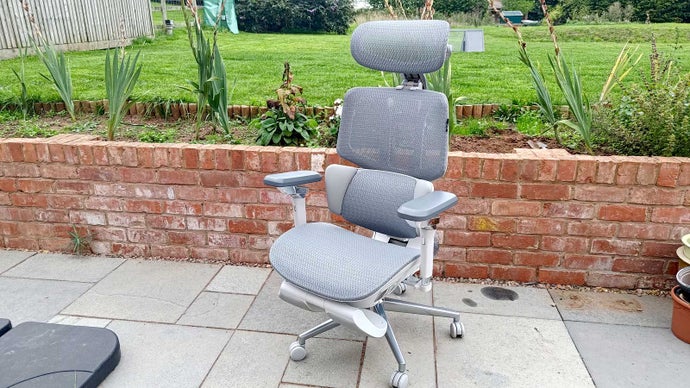
AI hype surrounds gaming hardware these days, but HBADA's X7 gaming chair demonstrates that simpler machine learning applications can deliver real benefits. The chair's "AI" lumbar support system caught the attention of Rock Paper Shotgun's reviewer, who initially approached the feature with skepticism.
The X7 carries a substantial price tag of £1,169 even during autumn sales, positioned alongside historically expensive PC components. The chair attempts to justify this cost through an extensive feature list: 720-degree adjustable armrests, a built-in footrest, a 4D adjustable headrest, an 8D bionic back massager, cloud ventilated seat cushion with cooling fans, and a graphene heating and red light therapy system.
The lumbar support system works through magnetic sensors that detect pressure against the support at any moment. Rather than relying on complex algorithms, the chair retracts or extends the lumbar support in response to your posture and movements. When sitting normally, it presses into the lower back for support. Leaning forward triggers the support to follow, while pushing back relaxes it, maintaining consistent pressure on appropriate support points.
The reviewer's initial tests proved frustrating, with the system pushing forward excessively. This turned out to be user error. With a previous static lumbar support positioned too high for their 5'5" frame, they made the same adjustment mistake on the X7. Once the support was properly lowered, the system's benefits became apparent. Unlike traditional manually-adjustable lumbar supports that remain static once positioned, the X7's pressure-responsive system adapts as you move, preventing lost support when shifting or leaning.
The system does have limitations. It can support poor posture if you slump or don't position yourself correctly in the seat, which risks long-term back harm. Proper sitting form, with shoulders back and forearms at 90 degrees, unlocks the chair's full effectiveness and revealed to the reviewer just how inadequately their lower back had been supported previously.
Beyond the lumbar system, the X7's other features show mixed results. The built-in massager kneads rather than simply vibrates, automatically engaging after periods of inactivity. The heating element works in tandem with the massager. The seat-mounted cooling fans perform their function but run loudly at higher settings, though the reviewer suggests these could prove valuable during warm office conditions with high-wattage gaming equipment running.
The side wings provide comfortable back support, though they interfere with proper arm positioning for some users. The lean-back auto-tensioning proves too loose for practical use when unlocked. The headrest comes across as clunky and imprecise compared to the rest of the chair's engineering.
Despite these shortcomings, the reviewer found the lumbar support's actual effectiveness at maintaining comfort during gaming and work sessions, combined with its measurable health benefits, justified the premium price. The system uses basic sensor and motor technology rather than true artificial intelligence, but the practical results suggest that not every feature needs cutting-edge AI to deliver genuine value.
Sources
- Rock Paper ShotgunEstablished publication · recorded Oct 1, 2026I'm not sure the "AI" in my chair's lumbar support actually counts as AI, but it has been smart enough to fix up my spine
- Rock Paper ShotgunEstablished publication · recorded Oct 2, 2026I'm not sure the "AI" in my chair's lumbar support actually counts as AI, but it has been smart enough to help my posture