
Google Japan's Conveyor Belt Keyboard Is a Playful Reminder of the Company's Lost Sense of Humor
Google Japan has unveiled a tongue-in-cheek keyboard concept where keys rotate on a belt to your fingertips instead of you reaching for them. The novelty device showcases the kind of creative absurdism that defined Google before it became a corporate

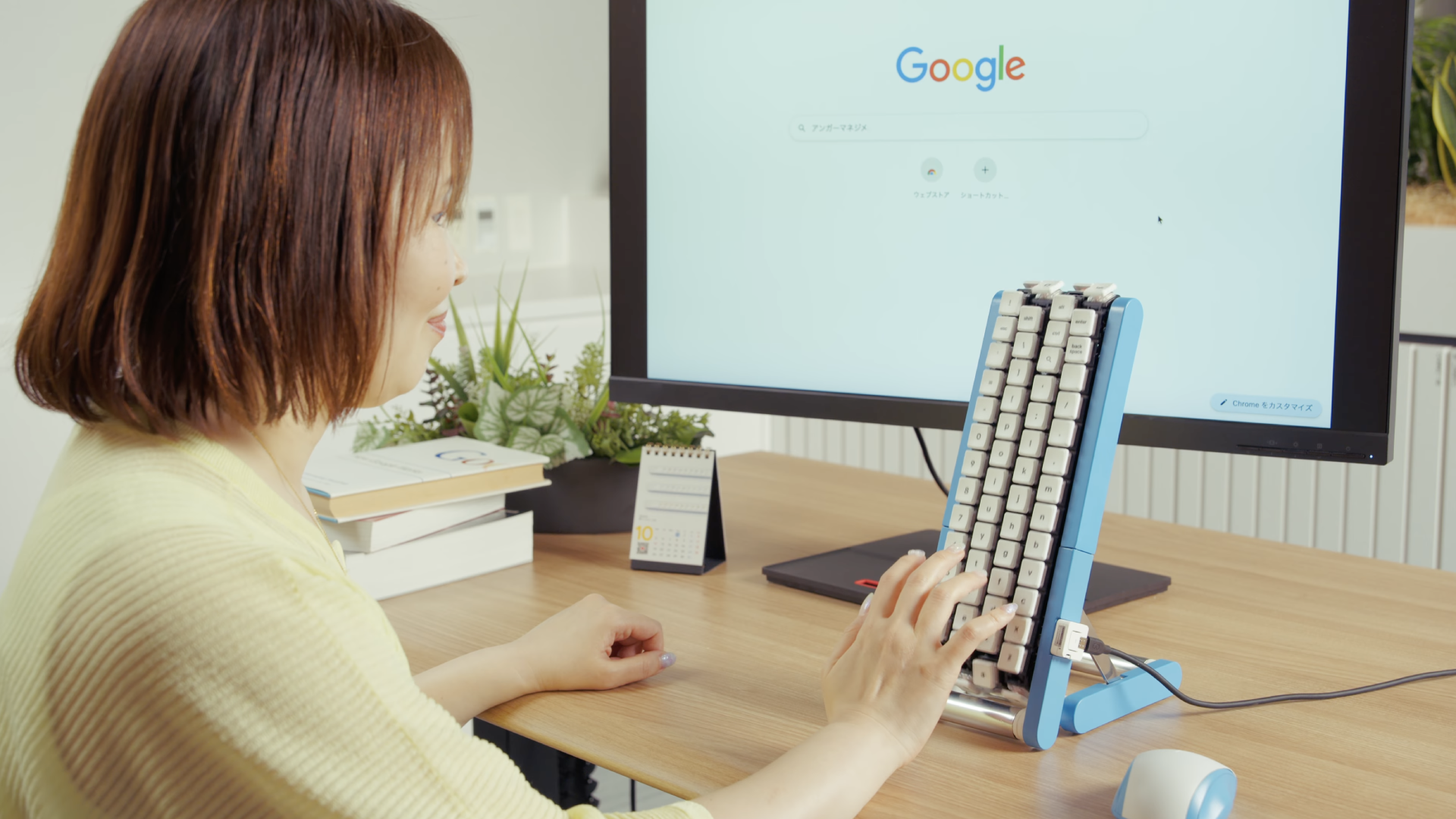
Google Japan has posted a YouTube video showcasing the Gboard Conveyor Belt Version, a keyboard whose keys are delivered straight to your fingertips. Literally.
The keyboard features four columns of vertically stacked keys that rotate on a belt. The design philosophy is straightforward: you don't move your hand. You wait for the right key to arrive.
As Google's Japan team explains in the video, "just as conveyor belts ramped up factory productivity, we wondered if we could streamline typing in the exact same way." The team adds, "This key advancement allows you to fluidly convey your ideas, with keys streaming under your fingertips, it ushers in a whole new era of touch-and-go typing. You touch. It goes."
Google Japan has form with this kind of hardware whimsy. The company previously created a rotary keyboard and an absurdly long stick of single keys. But the conveyor belt keyboard may be their best effort yet.
The team is working on further developments, including multiple colorways and a high-speed mode described as "ideal for developing hand-eye coordination." They're also designing swap-in cardboard key caps that enable daily nail care. A planned "voice guide" mode will read out passing keys aloud.
Google Japan concludes that this is "a keyboard to come, built for the era to come." The project stands out as a reminder of Google's pre-IPO era, when the company embraced absurdist humor and creative experimentation. Today's Google operates as a more streamlined, profit-focused corporation, making Google Japan's continued playfulness feel like a relic of a different time.
Sources
- PC GamerEstablished publication · recorded Oct 2, 2026Google Japan's conveyor belt keyboard is a sad reminder of the sense of humour the whole company used to have long, long ago