
FunPlus Phoenix Terminates kovaQ After Inappropriate Remarks; Esports Industry Faces Questions on Player Conduct Training
FunPlus Phoenix cut ties with IGL and controller Blendi "kovaQ" Kovaci on August 28th following inappropriate in-game communication with teammates. The incident highlights a systemic gap in esports organizations' approach to professional conduct and PR training.

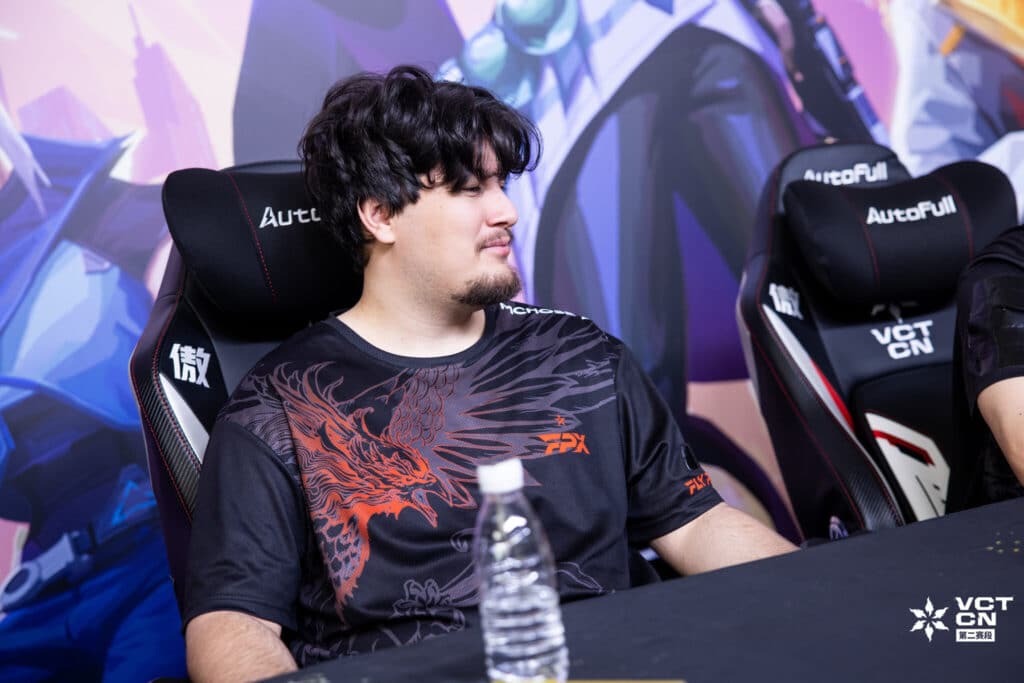
On August 28th, VCT China organization FunPlus Phoenix announced the termination of all cooperation with IGL and controller Blendi "kovaQ" Kovaci following what the organization described as "inappropriate remarks while communicating with teammates during a game." FPX launched an internal investigation in cooperation with Riot Games before severing ties with the player.
In a statement, kovaQ acknowledged the incident: "I sent something to my teammate that was inappropriate towards a lot of people. In that moment, I meant it as a joke, but looking back at it, I deeply regret ever writing it. I made a mistake that I shouldn't have made, and I take full responsibility for it." The player thanked FPX for the opportunity to be part of the organization.
FPX indicated it would strengthen internal management and player education going forward, stating: "We will complete the necessary arrangements for upcoming competitions in accordance with the league's final decision and regulations."
The incident is part of a broader pattern in esports where professional players face consequences for conduct violations. In 2023, Japanese VALORANT player Kim "TenTen" Tae-young was fired by NORTHEPTION after making racist remarks during a ranked match; Riot Games subsequently suspended him for four VCT matches. Overwatch League player Park "Viol2t" Min-ki was fined and suspended by the San Francisco Shock in 2020 for repeated use of toxic slurs on stream. Team Liquid also suffered significant financial impact when Honda terminated a six-year sponsorship following an inappropriate post by Rainbow Six player Lucas "DiasLucasBr" Dias.
Industry observers note that esports organizations often invest heavily in coaching, analysis, and performance infrastructure but allocate minimal resources to professional conduct and public relations training. Many players enter professional competition at young ages after spending formative years communicating primarily through Discord, streams, and social media rather than traditional professional settings. The transition to representing an organization before thousands of fans—while conducting interviews, appearing on broadcasts, and fulfilling sponsorship obligations—often occurs with little preparation in professional communication.
Some progress has been made, with tournament organizers actively enforcing codes of conduct and multiple organizations partnering with sports psychologists. However, experts emphasize that PR training should function as career protection rather than punishment, helping players develop empathy and understand the distinction between harmless banter and disrespectful conduct.
Sources
- Esports InsiderEstablished publication · recorded Sep 8, 2026Esports players know how to compete, but esports orgs need to teach them how to behave