
Don Daglow on 55 Years in Games: Passion, Craft, and Navigating Industry Storms
The legendary game designer and industry veteran shares lessons from five decades creating games, from Intellivision's early days through modern challenges, emphasizing the importance of artistic commitment and adaptability.

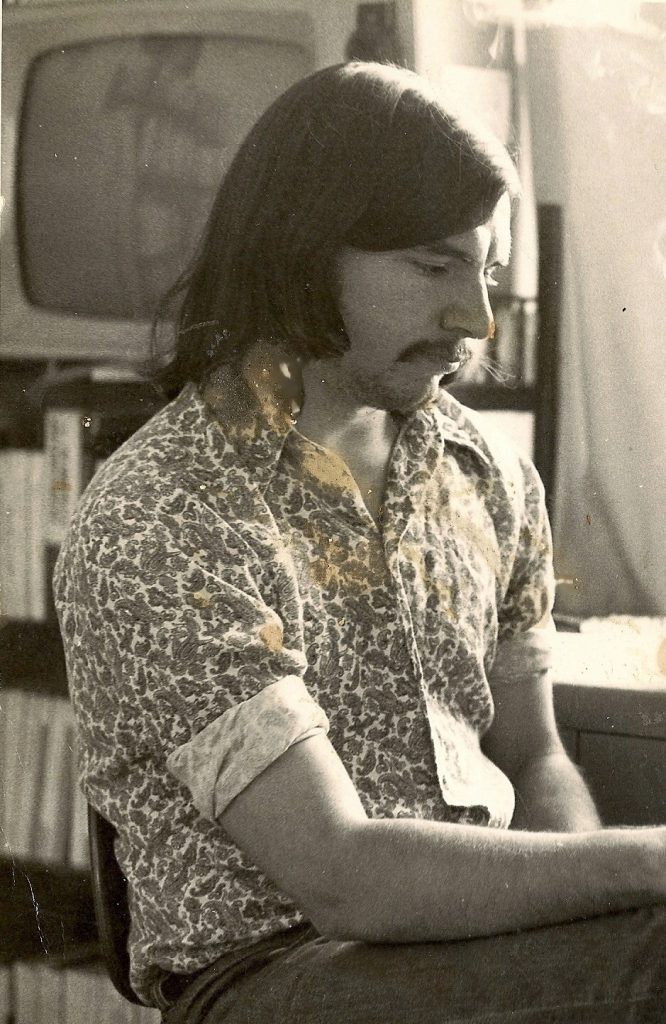
Don Daglow discovered games in 1971 when he walked into a Pomona College dormitory and saw a Star Trek game playing on a computer terminal. As a playwriting major, the experience of seeing a game that printed out narrative scripts struck him immediately. "If you are a playwriting major and you are shown a game that prints out scripts, it is not a reach to have your brain explode and say that this is a new form of entertainment," he recalled in a fireside chat at the Nexus Games Conference in Dublin, Ireland.
That moment of passion ignited a career spanning 55 years. Daglow is the only executive in the games industry to have held leadership and creative positions across every generation of video game consoles from 1980 to the present day. He was one of the first five programmers at Intellivision starting in 1980, navigated the 1983 video game crash as a developer at Electronic Arts, founded Stormfront Studios in 1988, and has consulted widely across the industry since.
His creative work spans genre-defining titles including Neverwinter Nights, Stronghold, Baseball, Dungeon, Utopia, and Tony La Russa's Ultimate Baseball. Beyond design, Daglow has received major awards from the Game Developers Choice Awards, the CGE Achievement Award, the Technology & Engineering Emmy Awards, and the AIAS. He has also volunteered as an ambassador for AIAS, the IGDA, and the Strong Museum of Play, and memorializes those who have passed away in the games industry.
For those starting careers now, Daglow emphasized the role of chance and passion in finding a path through games. "All that happened for me was that I was lucky to be in the right place at the right time," he said. "For people who are starting now, it can seem so different. Those same moments of passion around the world, anywhere in the world, can happen. You just have to live your life to find where your moment of passion and incitement will be."
When asked how he stayed passionate about game design through five and a half decades, Daglow pointed to his artistic upbringing and the belief that games, at their best, function as art. "I was my mother was an artist," he said. "The idea that art is something that, in any of its forms, can benefit an audience—that people get something out of art—and you are creating something where, at your best, you can be art. It can give something to people that they walk away with that makes them feel differently, makes them think differently."
That commitment to craft has sustained him through industry downturns and technological shifts. "I've been through crashes and good times and bad times and different kinds of hardware, different kinds of games, but I've always loved the craft," he explained. His enduring motivation comes from the lasting impact games can have. "Twenty years later, people come up to you and tell you why and how they played your game and how much they loved it, and they still remember 20 years later. That makes it hard."
Daglow acknowledged that the game industry faces significant pressures, particularly in North America. However, he framed these challenges not as threats to individual creators but as tests of creative commitment. "If we look at ourselves as creative artists, that is something that we and only we control: is our commitment to our art form and our belief that we can give something to an audience that they find fulfilling, satisfying, fun, in a way that makes them want to come back and play more," he said.
On navigating industry turbulence more broadly, Daglow used a sailing metaphor. "The business is like the ocean on which a sailor sails. People who are on merchant ships, people who sail just for fun, never expect the ocean to treat them perfectly. The ocean has storms that are a function of the laws of physics. It has no emotions, no loyalty, no" willingness to go easy on those who depend on it.
His message to aspiring developers is one of adaptation and persistent engagement with the fundamentals of the craft. Just as the author covering games adapted to shifts in journalism and technology over nearly two decades, creators in games can chart courses through different eras by grounding themselves in what attracted them to the medium in the first place.
Sources
- GamesBeatEstablished publication · recorded Sep 30, 2026Don Daglow brings the wisdom about surviving tough times after 55 years in games | exclusive fireside chat