
Activision Takes Over Halo After Microsoft Shuts Down Halo Studios
Microsoft has dissolved Halo Studios and handed the franchise to Activision, marking a major shift for a series that struggled to find its footing over the past decade.

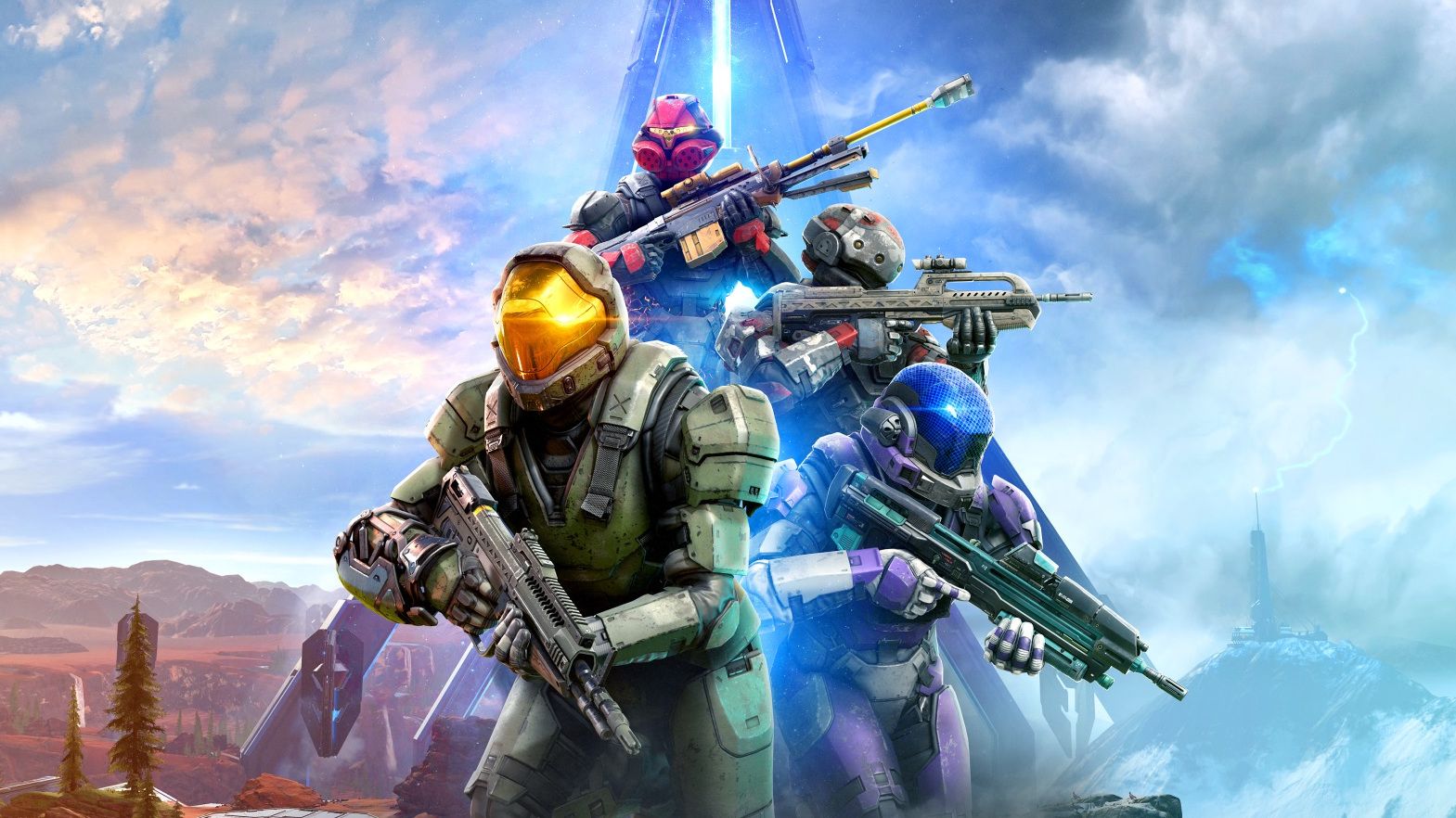
Microsoft has ended its experiment with Halo Studios, the team it formed to develop new Halo games. The studio has been drastically reduced as part of ongoing Xbox layoffs, and what remains will oversee the franchise in an undefined capacity. Halo Studios is no longer making Halo.
Activision now inherits the franchise, a pairing that raises questions about the future direction of one of gaming's most storied shooters. The decision comes just months after Halo Studios shipped Halo: Campaign Evolved, its best effort to blend the series' traditions with evolution.
Halo Studios achieved notable successes during its tenure. The studio maintained core multiplayer fundamentals with 4v4 arena modes and Big Team Battle intact. By Halo Infinite, it had developed a striking art direction and raised the bar for gunplay. The series' asymmetrical maps and powerful Forge level creator, which grew robust enough for the community to create official-quality content, were particular highlights.
The studio's weaknesses were equally pronounced. Two campaign games centered on Prometheans, enemies perceived as inferior Covenant replacements. Story treatment turned Master Chief into a hero of destiny in ways that diluted his appeal. Halo became a testing ground for multiplayer trends, cycling through create-a-class systems, loot boxes, battle passes, and even MOBA-like modes, creating identity confusion. Halo Studios also struggled with release cadence: six years separated Halo 5 and Infinite, then five more years before Campaign Evolved.
Microsoft's choice of Activision suggests an attempt to address pacing issues. Call of Duty has maintained steadier release cycles while producing functional campaigns, contrasting with Halo's extended development gaps. However, this shift introduces uncertainty about preserving what distinguished Halo from Call of Duty.
Halo Infinite differentiated itself through slower gameplay pace, hip-firing mechanics, mirrored loadouts, power weapon emphasis, and vertical map design reminiscent of classic arena shooters rather than the boots-on-the-ground aesthetic that Modern Warfare popularized. Whether Activision will maintain these characteristics remains unclear.
Halo Studios demonstrated deep franchise stewardship that extended beyond shipping games. The team continuously improved The Master Chief Collection until it became a preservation standard, permitted community archivists to publish an unfinished Halo 2 E3 demo, and cared enough about minutiae to run 15-year-old Halo Reach code within Campaign Evolved's engine.
Activision faces a creative challenge: introducing fresh direction while restoring fan trust and preserving what players value about Halo. Call of Duty's approach of rotating settings, tone, characters, and gameplay across studios and annual releases has conditioned audiences to accept inconsistent identity. Applying that model to Halo could alienate fans who prize the franchise's streamlined weapon sandbox, vehicle emphasis, uncomplicated modes, and community-driven custom games.
The core question remains unresolved: how does any studio modernize Halo into a top-tier multiplayer shooter while protecting the elements that define it, 25 years after its debut.
Sources
- PC GamerEstablished publication · recorded Sep 24, 2026Halo needed to change, but Activision faces a huge challenge to fix it