
EU Commission Draft Law Proposes Major Restrictions on Online Games for Minors
A draft EU KIDS Act would ban login bonuses, restrict player communication, and require age verification and parental controls across all online games sold in EU territories if approved.

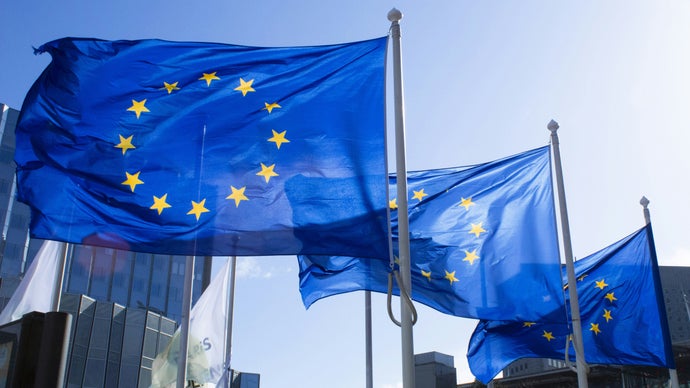
The EU Commission has published a draft for the proposed EU KIDS Act, which would introduce sweeping restrictions on online games if approved by Parliament and EU member states.
The draft aims to protect minors by prohibiting features that encourage excessive play. Login bonuses and systems that penalize players for time away from the game would often be banned under the new rules. These restrictions apply broadly, potentially covering everything from Roblox to the multiplayer modes of disc-based games sold in EU territories.
Providers would be required to restrict contact between minors and other players, implement parental controls, and deploy age assurance solutions. The requirements are less stringent than those proposed for social networks and video-sharing platforms, though they still represent a significant shift for the gaming industry.
The draft also addresses monetization. It calls for transparency around the real monetary value of virtual currency transactions and variable reward systems, commonly known as lootboxes. However, the operative text limits economic transaction rules to social networks and video-sharing platforms, leaving the treatment of games monetization ambiguous. It remains unclear whether this is a drafting oversight or an intentional choice to address game monetization through a separate code-of-conduct mechanism referenced only in the recitals.
The KIDS Act is designed to apply directly across EU member states as a regulation rather than a directive. The text is not final and must still pass approval from the European Parliament and individual member states before taking effect.
Sources
- GamesIndustry.bizEstablished publication · recorded Sep 18, 2026Draft of new EU law proposes sweeping restrictions on online games